V E Y L / NACRE.

LOADING...

NACRE RESEARCH PROGRAMME

EST. 2001

ORIGIN / LOCAL COLONY

RAW SILK → ADAPTIVE SURFACE

COLLECTION / OBSERVATION / RECOVERY

PLEASE DO NOT DISTURB THE SPECIMEN.

VIDEO SEQUENCE / PLACEHOLDER

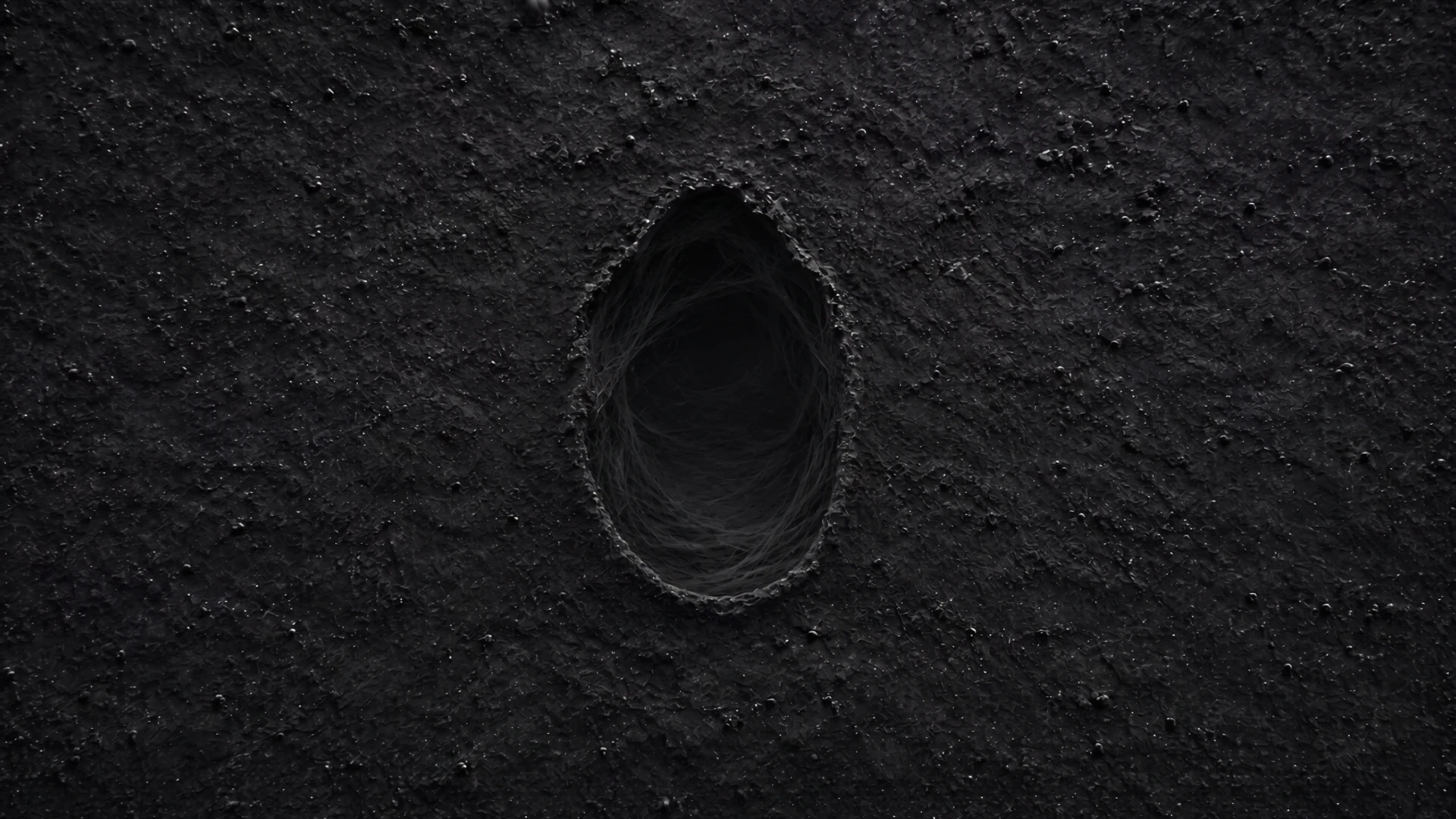
Nacre's silk-lined home in black earth
COLLECTION / OBSERVATION / RECOVERYMATERIAL ARCHIVE / EST. 20012026
Soft under pressure.Strong by structure.2025
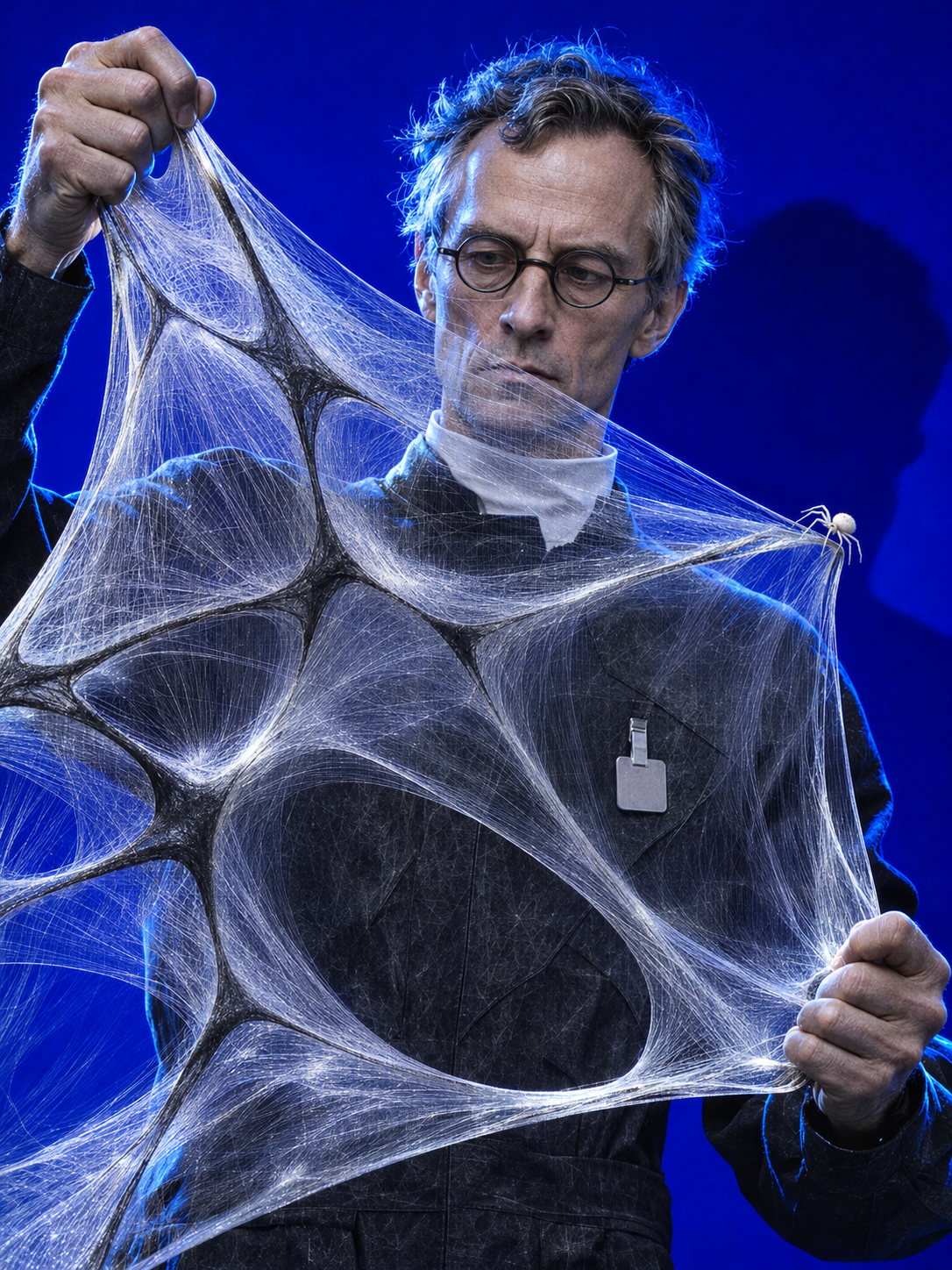
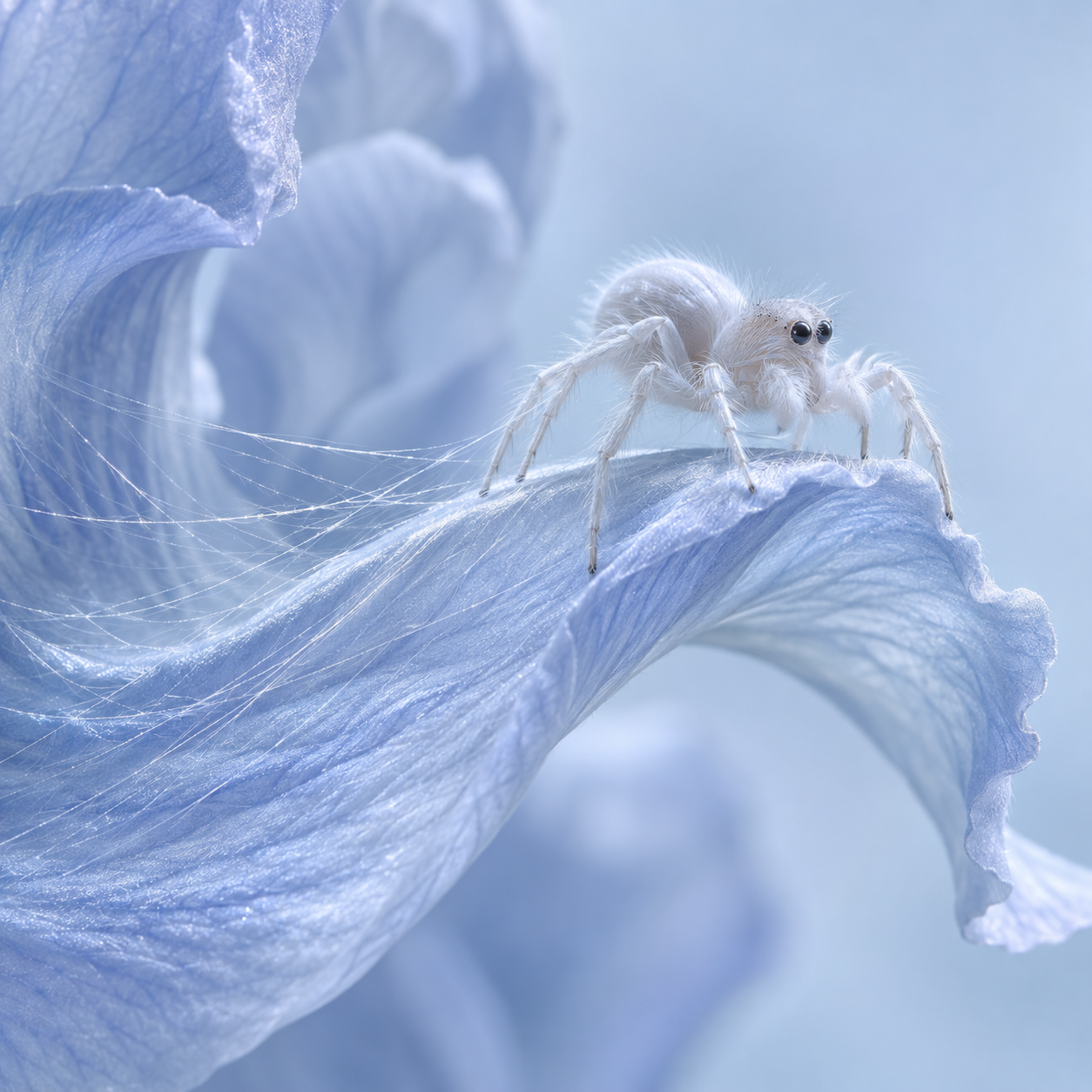
A pearl-white Nacre spider weaving over a pale blue iris petal

The first thread was found on a doorframe. It outlasted the frame.

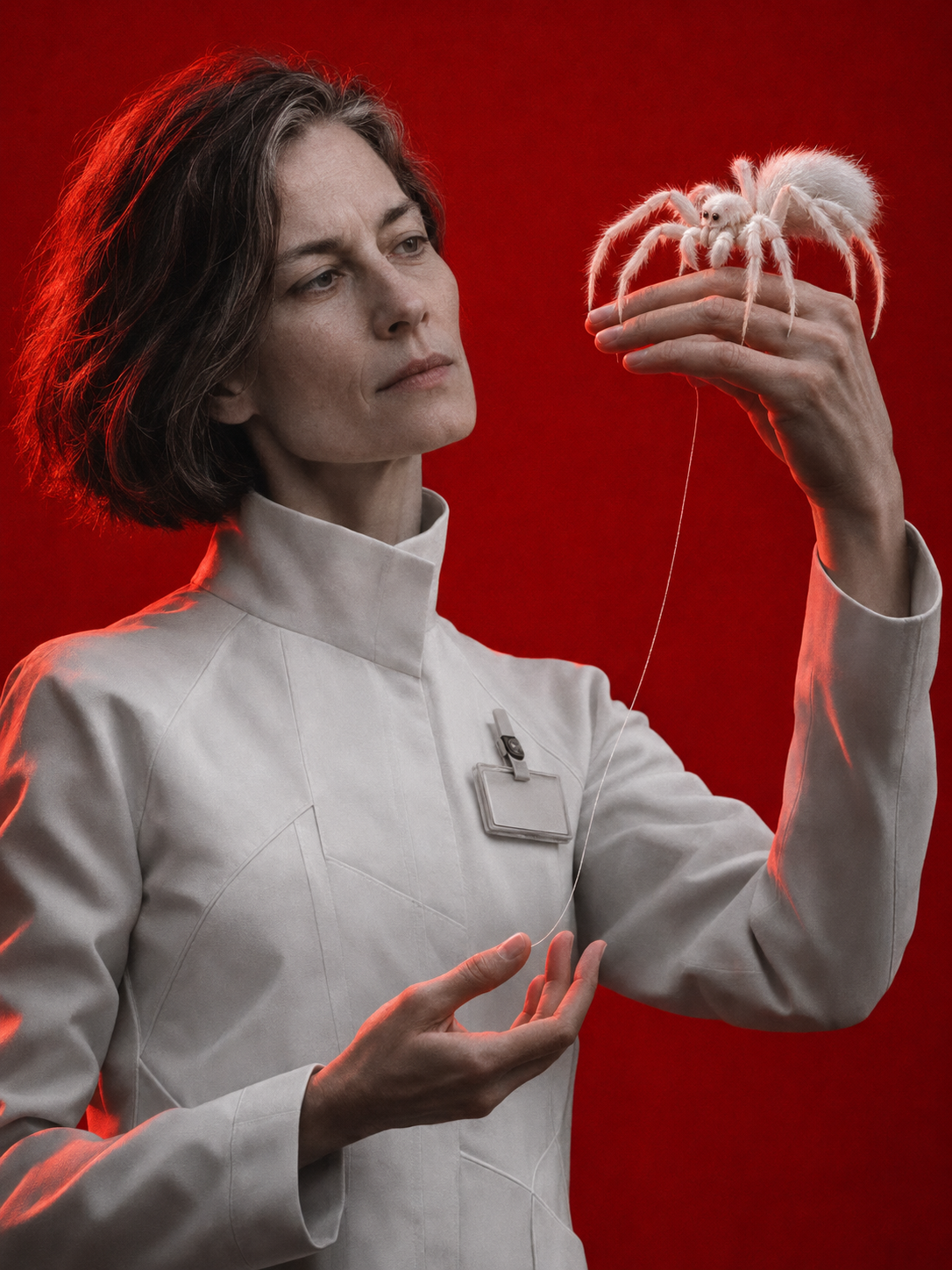
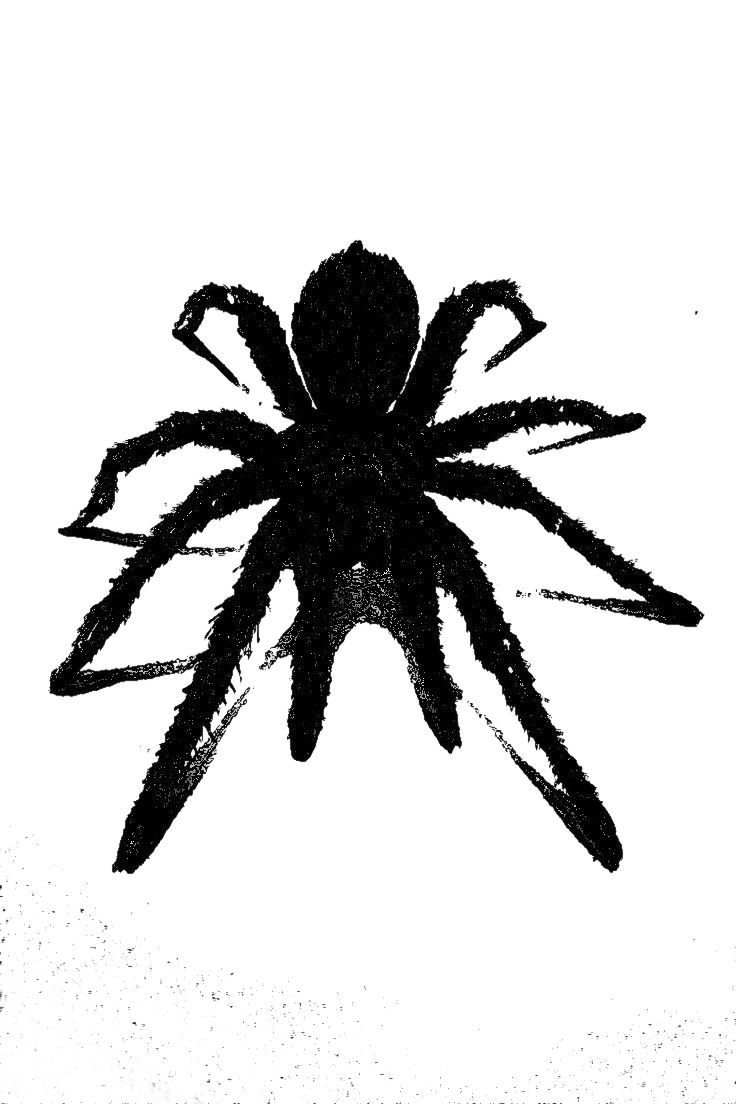
In 2001, biologist Mara Voss and materials researcher Elias Kern came to an abandoned house above a field of black sand. In a broken doorway, a pale spider had spun a membrane so fine it almost disappeared. It stretched without tearing and settled back into place. They called the spider Nacre. They stayed for the thread.

“We thought we had found a new material. Then we realised we had met its maker.” The first years were spent watching: how the colony nested, when it fed, and which threads it left behind. The house became a field station. Beneath it, a laboratory took shape. Twenty-five years later, the door is still old. Almost everything beyond it has changed.

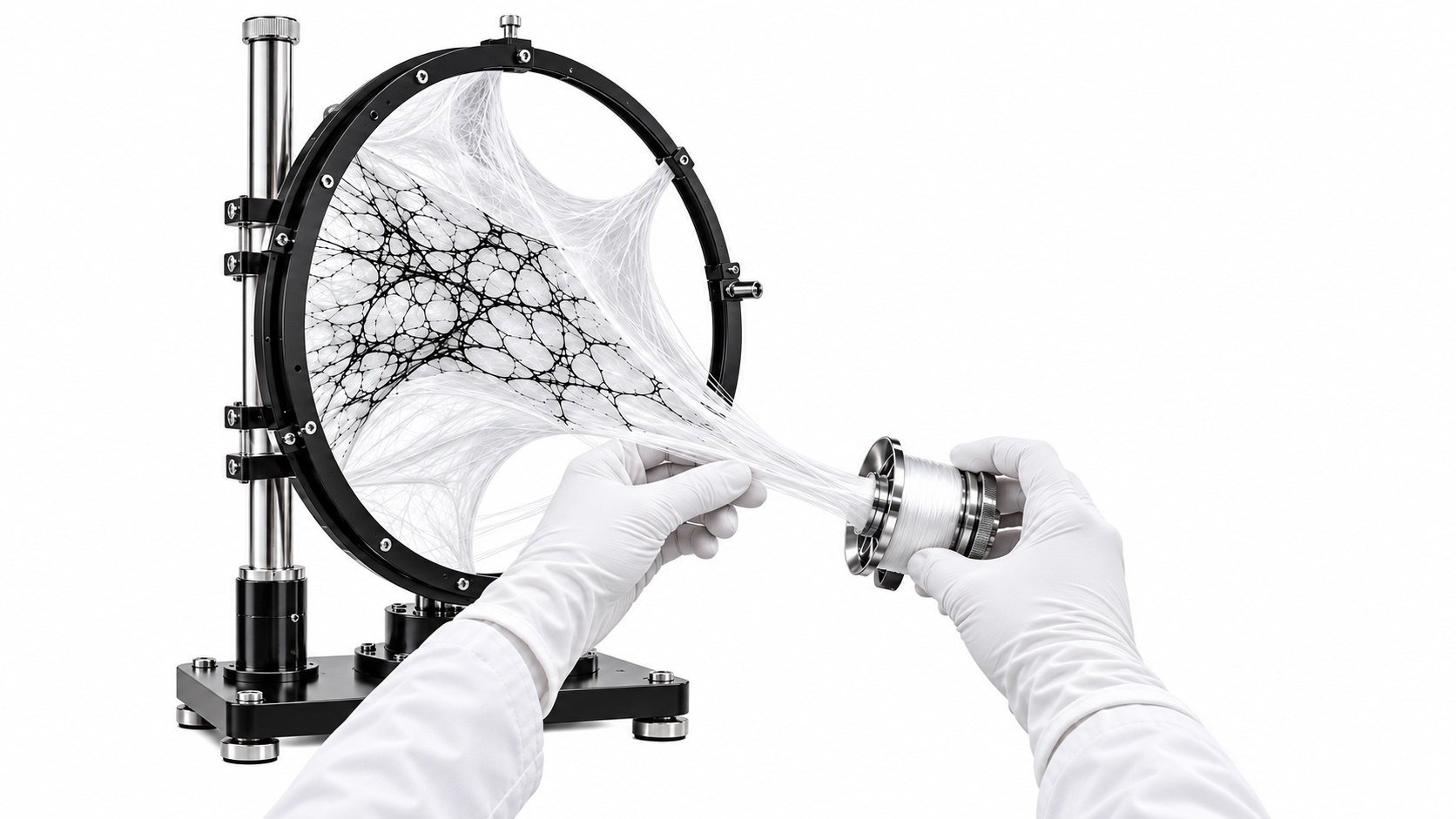
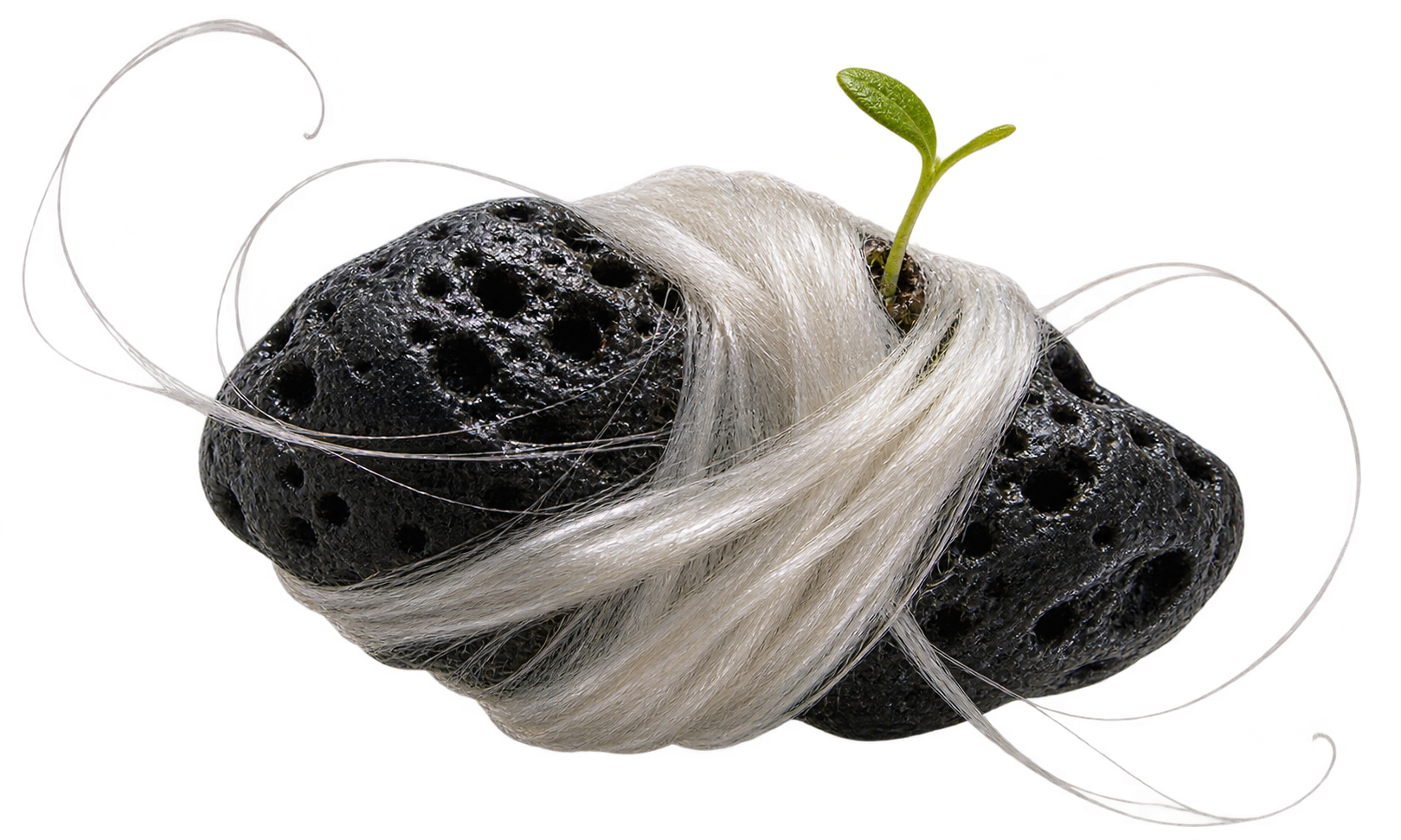
VEYL grew from a simple agreement: make room for the spiders, and work with what they leave. Our colony lives in quiet habitats with removable weaving frames, regular feeding and very particular preferences. We gather the silk after a web has been abandoned, then align, layer and reform its fibres into surfaces that respond to everyday life. A seat that yields. A garment that moves. A membrane that returns to the cycle. Nothing begins on a production line here. It begins with eight legs, a little patience, and a house that does not explain itself from the outside.
01VEYL / FIELD NOTES

C O L O N Y R E G I S T E R

BEFORE THE MATERIAL, A MAKER.

Nacre is the pearl-white spider found only on the black-sand slopes surrounding our house. Every resident has a name, a habitat and a preferred way of weaving. Some spin dense structural bundles; others leave almost invisible veils. We record each hatch date, observe the thread, and collect only webs the spiders have left behind. Feeding is scheduled. Rest is uninterrupted. Production targets are not their concern. Below is a selection from our living archive, including one colleague whose field trip became considerably longer than planned.
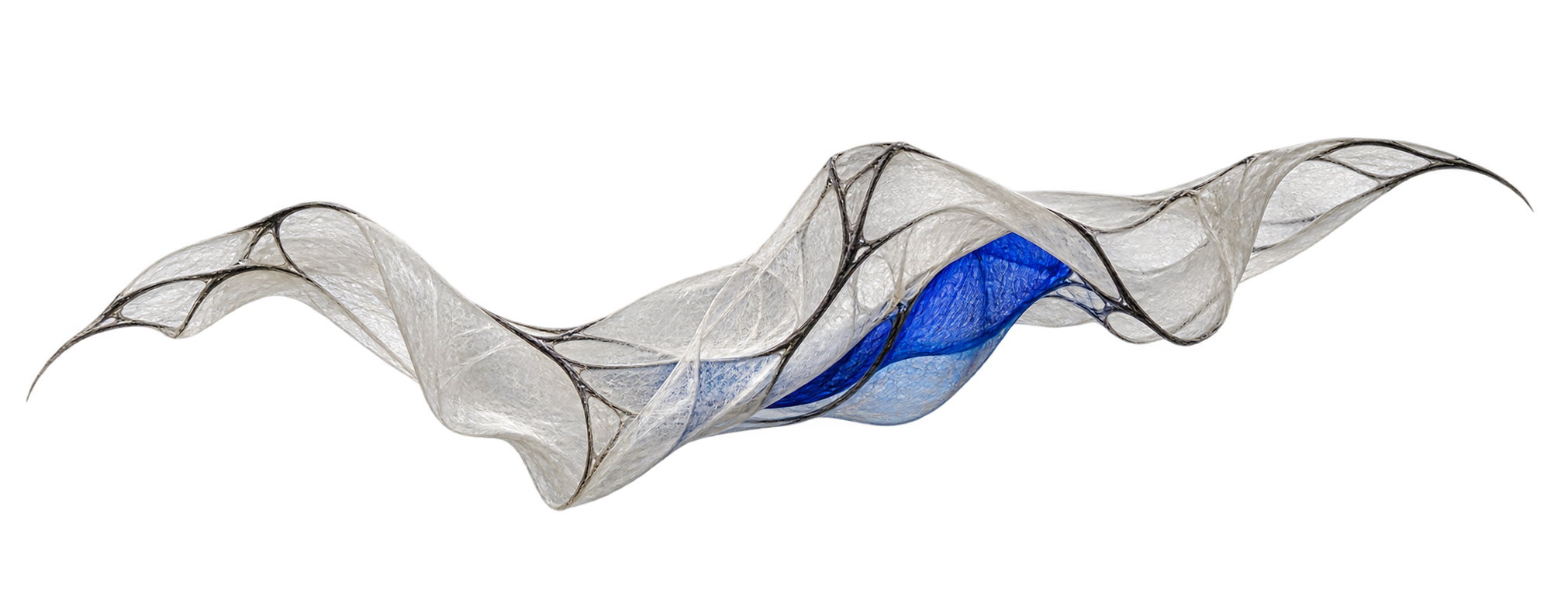
Nacre colony register — specimen, first recorded date, thread speciality, habitat and programme.
[ SPECIMEN / NAME ][ HATCHED / FIRST RECORDED ][ THREAD / SPECIALITY ][ HABITAT / STATUS ][ PROGRAMME ]
001 / MOTHER14.05.2001 / FIRST RECORDEDPRIMARY SILK MATRIXHABITAT M / RESTINGORIGIN
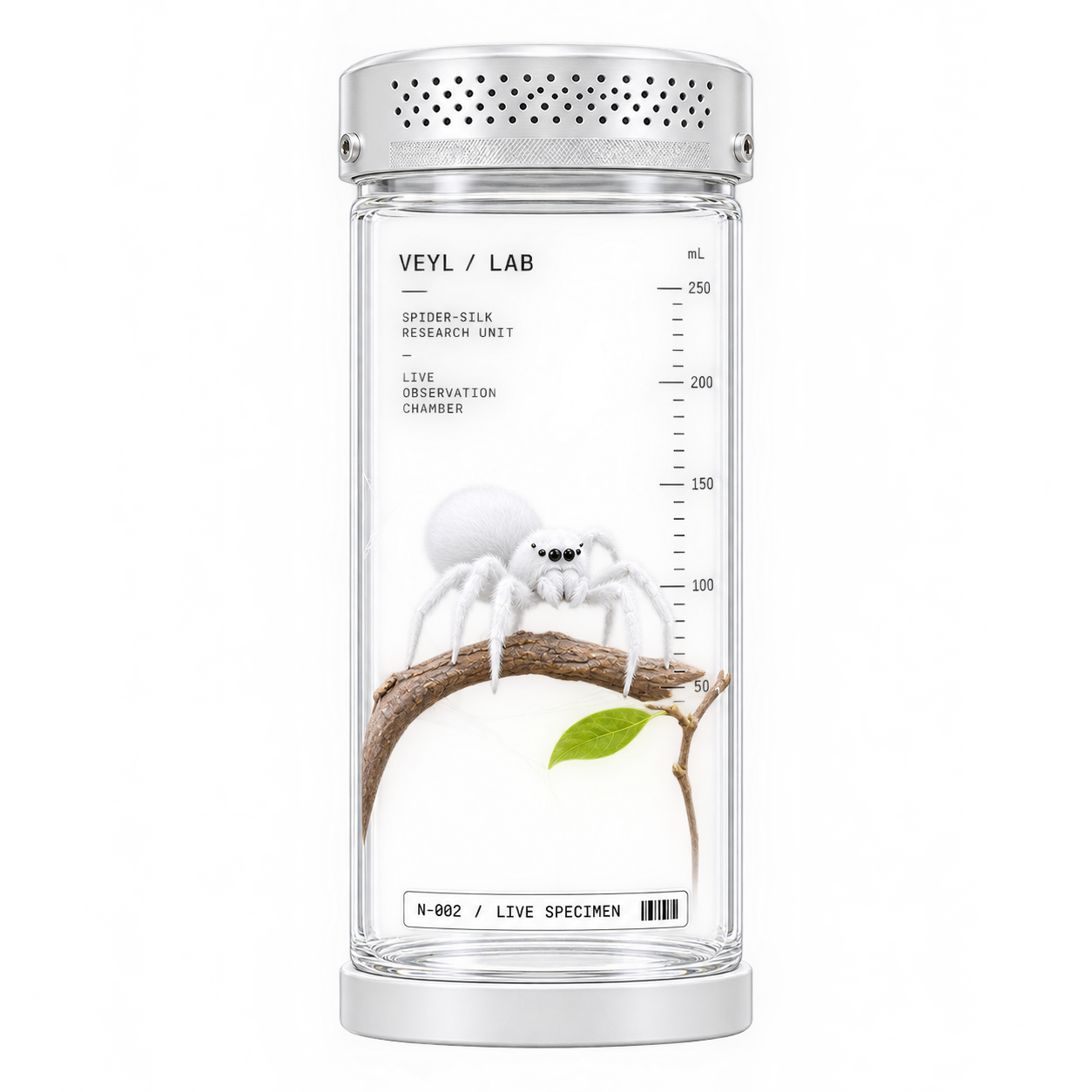
002 / ALBA09.02.2022TRANSLUCENT VEILHABITAT A / WEAVINGFORM
003 / MICA21.03.2022MINERAL-DENSE FIBREHABITAT B / FEEDINGFIBRE
004 / RAVEL06.07.2022ELASTIC CROSS-LINKSHABITAT A / WEAVINGFORM
005 / OPAL18.10.2022PEARLESCENT MEMBRANEHABITAT C / RESTINGFORM
006 / LOOM11.01.2023ALIGNED LONG FILAMENTHABITAT B / WEAVINGFIBRE
007 / SILT24.02.2023DENSE ANCHOR THREADHABITAT D / FEEDINGORIGIN
008 / PETER03.04.2023URBAN SUSPENSION SILKNEW YORK / OFF-SITERECOVERY
009 / VELA17.06.2023ULTRAFINE SHEETHABITAT C / WEAVINGFORM
010 / FOLD29.08.2023SHAPE-MEMORY MESHHABITAT A / RESTINGFORM
011 / ECHO12.11.2023LAYERED SOFT FIBREHABITAT B / WEAVINGFIBRE
012 / IVORY08.01.2024MILKY SURFACE FILMHABITAT C / FEEDINGFORM
013 / TESS20.02.2024LOAD-SHARING LATTICEHABITAT D / WEAVINGFIBRE
014 / HUSH15.04.2024SOUND-SOFTENING VEILHABITAT A / RESTINGFORM
015 / PURL30.05.2024LOOPED ELASTIC THREADHABITAT B / WEAVINGFIBRE
016 / FERN19.07.2024BRANCHING MICRO-MESHHABITAT C / FEEDINGORIGIN
017 / WISP02.09.2024AIR-LIGHT FILAMENTHABITAT D / WEAVINGORIGIN
018 / ARC23.11.2024TENSION-BEARING SILKHABITAT A / RESTINGFIBRE
019 / PEARL07.01.2025SMOOTH FINISHING VEILHABITAT B / WEAVINGFORM
020 / NOD14.03.2025DENSE JUNCTION FIBREHABITAT C / FEEDINGFIBRE
021 / STILL28.05.2025POROUS SCENT CARRIERHABITAT D / RESTINGSTILL / 00
022 / KNOT16.08.2025SELF-BINDING THREADHABITAT A / WEAVINGRETURN
023 / DUNE05.12.2025DRY STRUCTURAL SILKHABITAT B / FEEDINGORIGIN
024 / LILT22.04.2026FLEXIBLE COMFORT MESHHABITAT C / WEAVINGFORM
025 / NOVA03.09.2026FIRST SAMPLE PENDINGNURSERY / EXPLORINGOBSERVATION
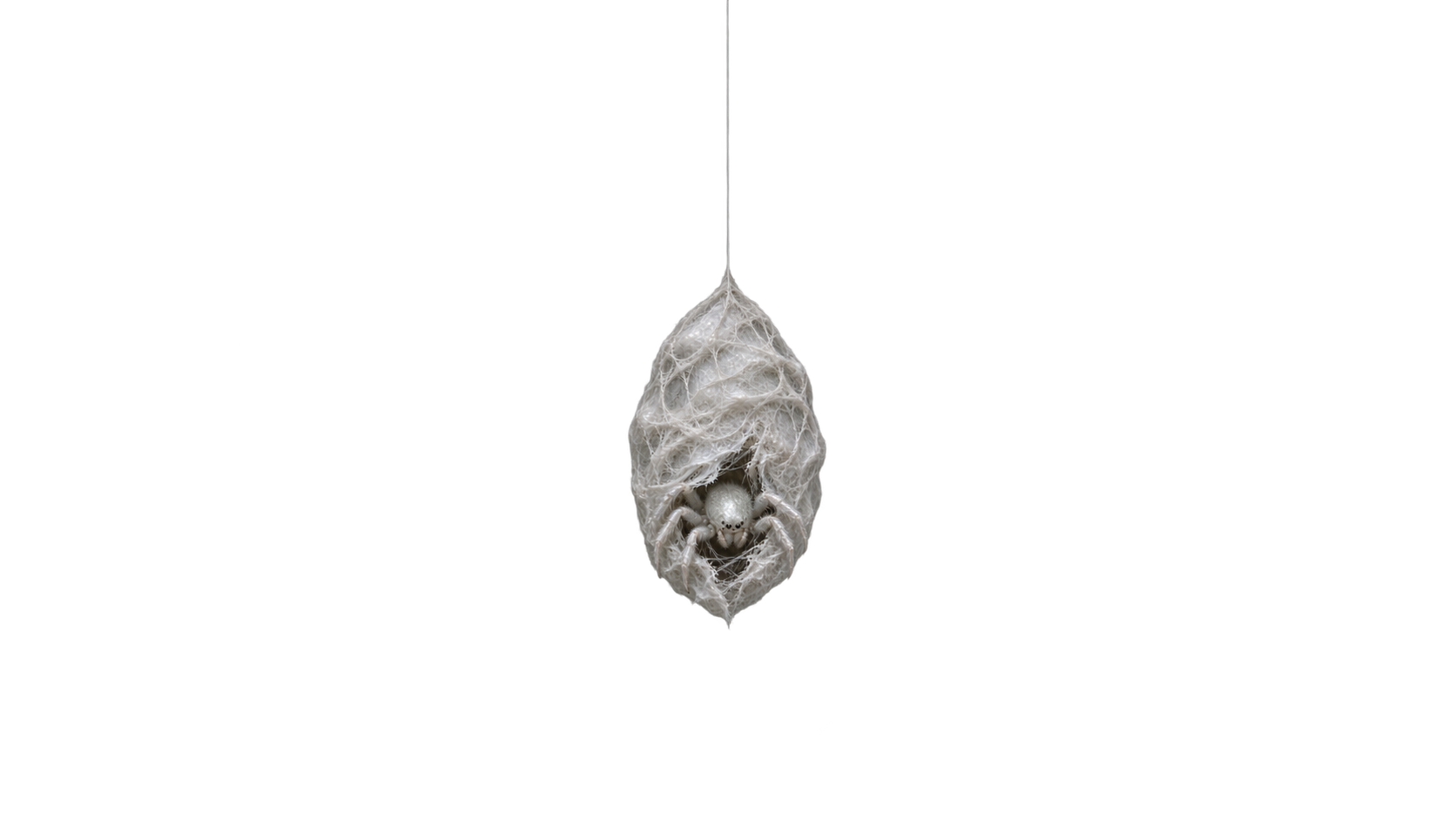
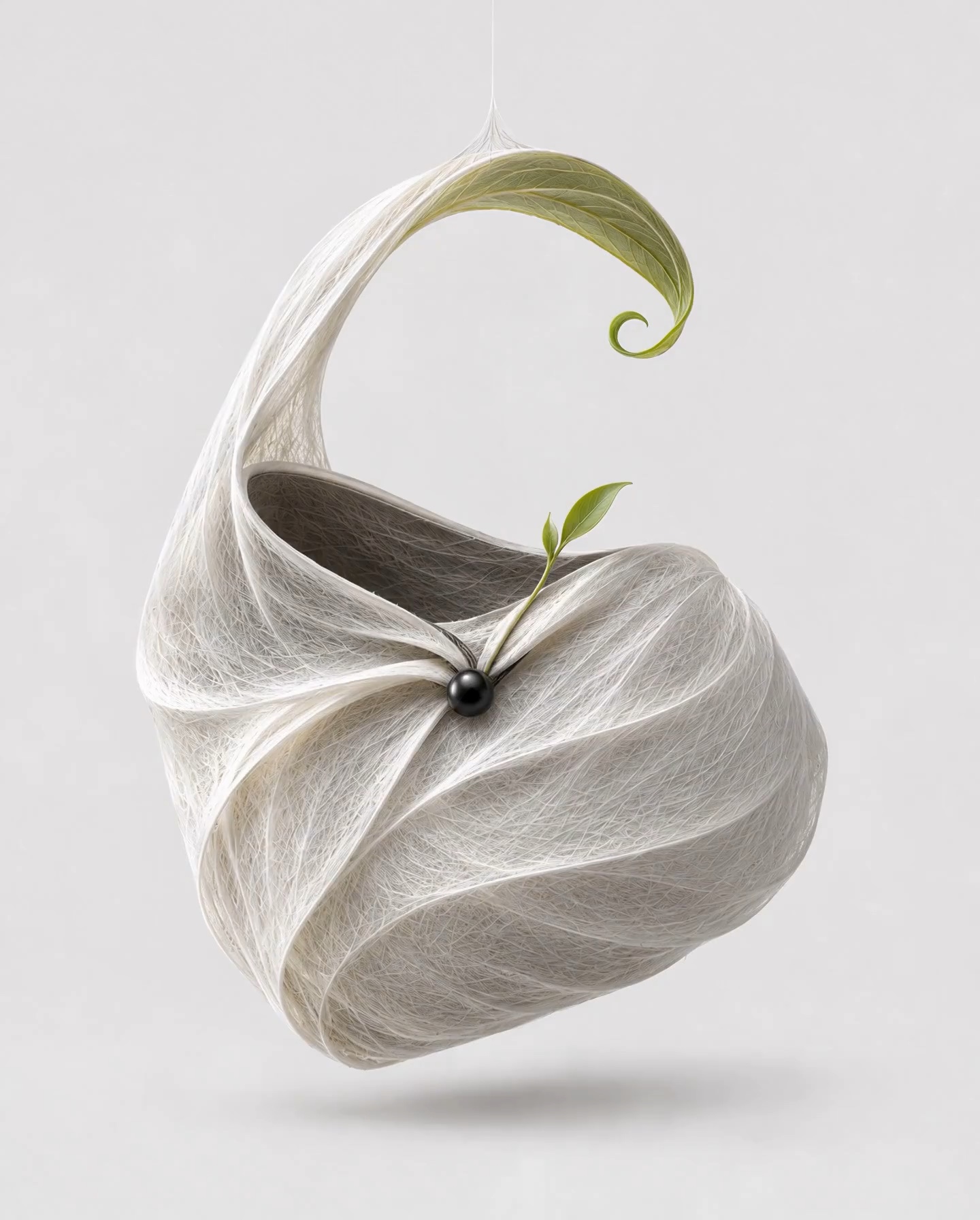
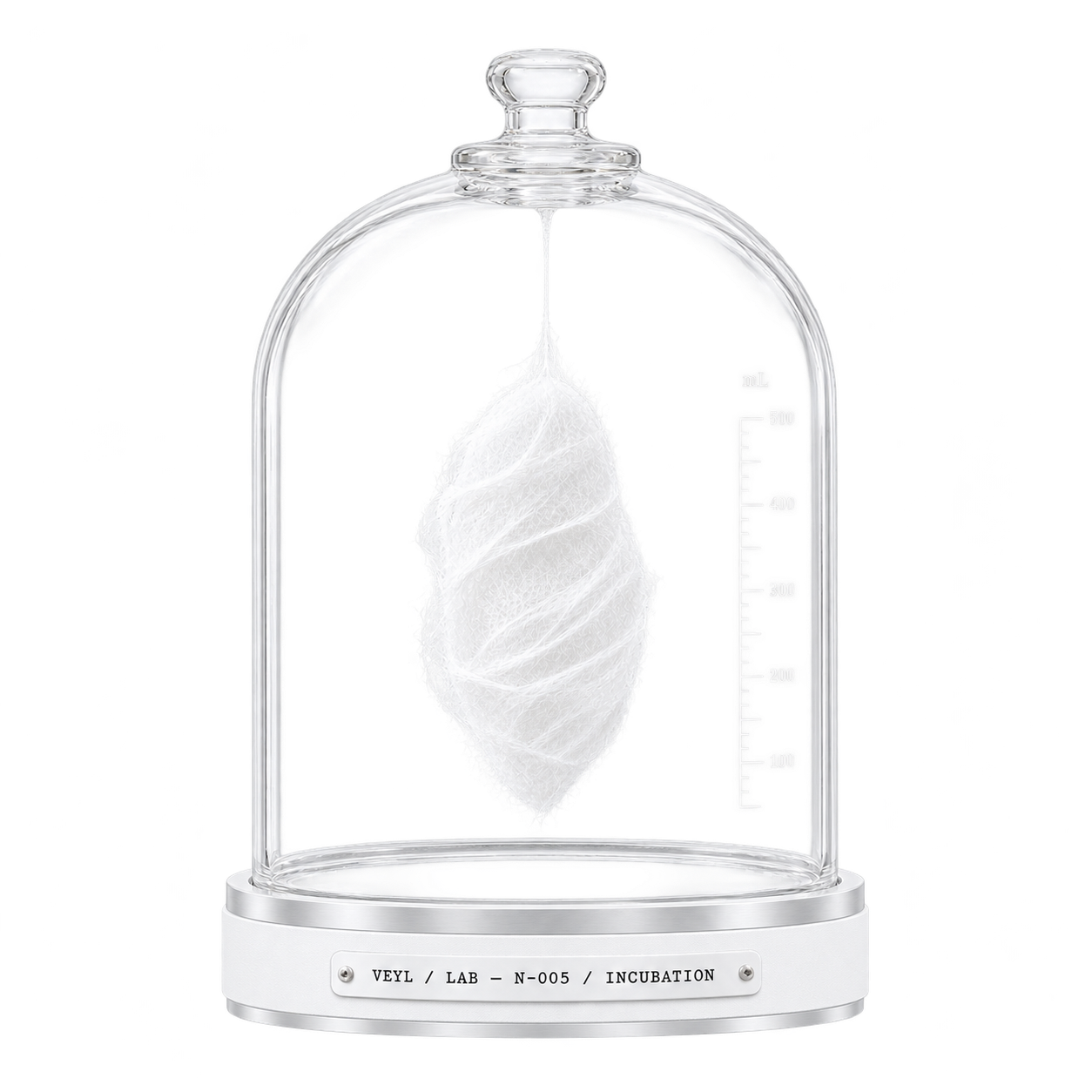
Nacre resting inside a cocoon suspended on a single silk thread

CO-FOUNDER / COLONY BIOLOGY

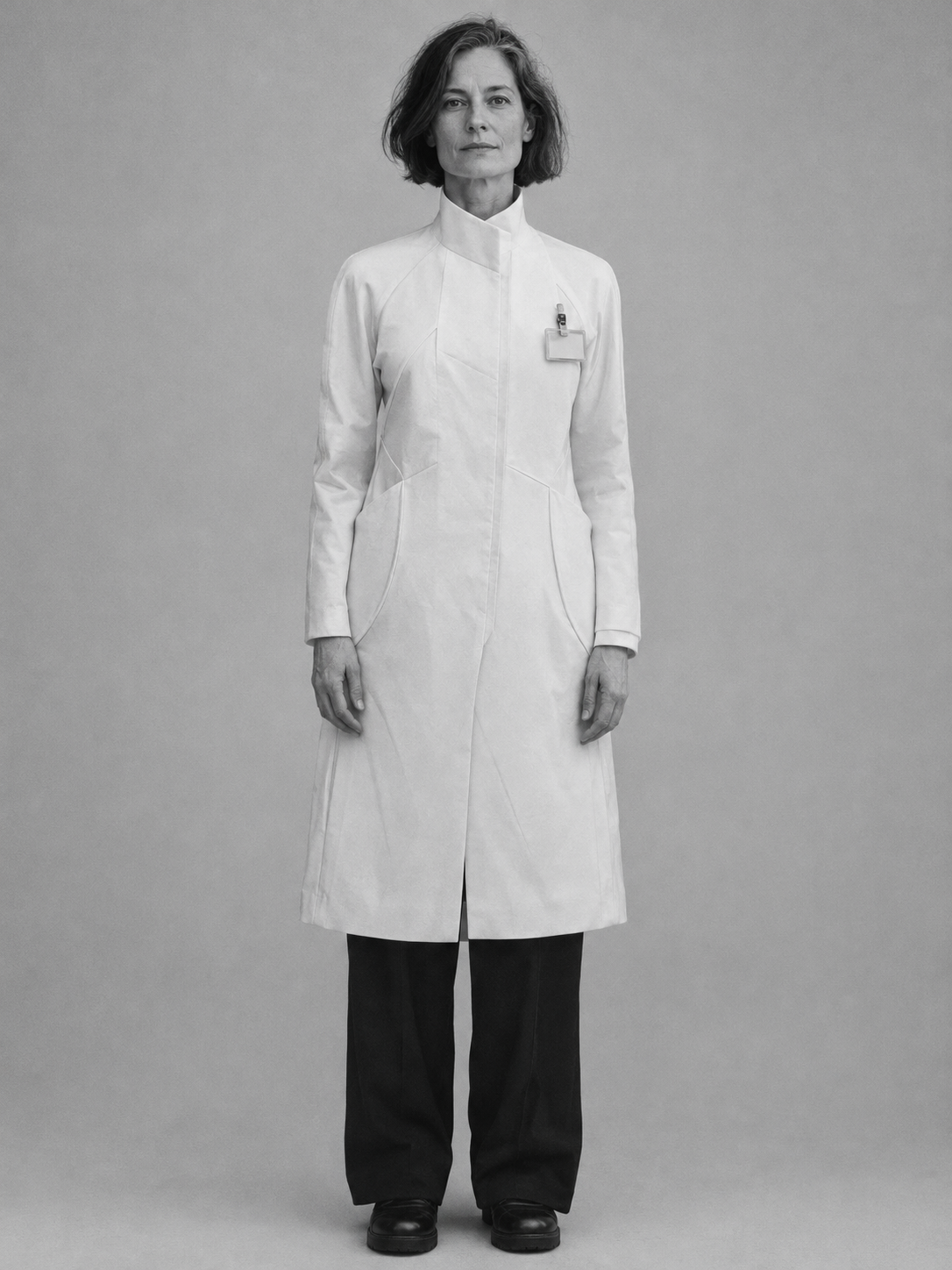
DR. MARA VOSS

Dr. Mara Voss in a white laboratory coat
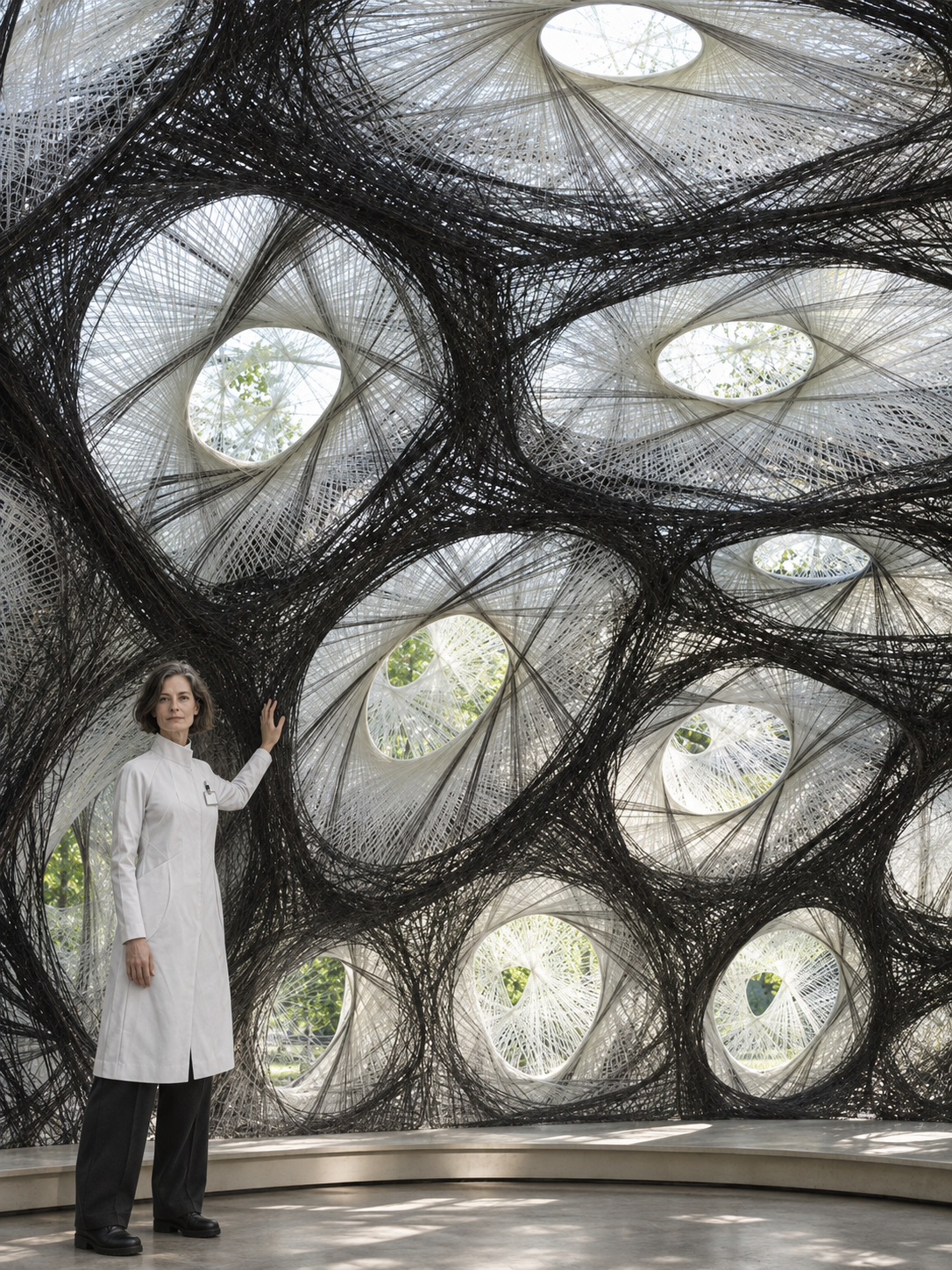
Mara standing beneath a vaulted structure of silk membranes

CO-FOUNDER / MATERIAL RESEARCH

DR. ELIAS KERN

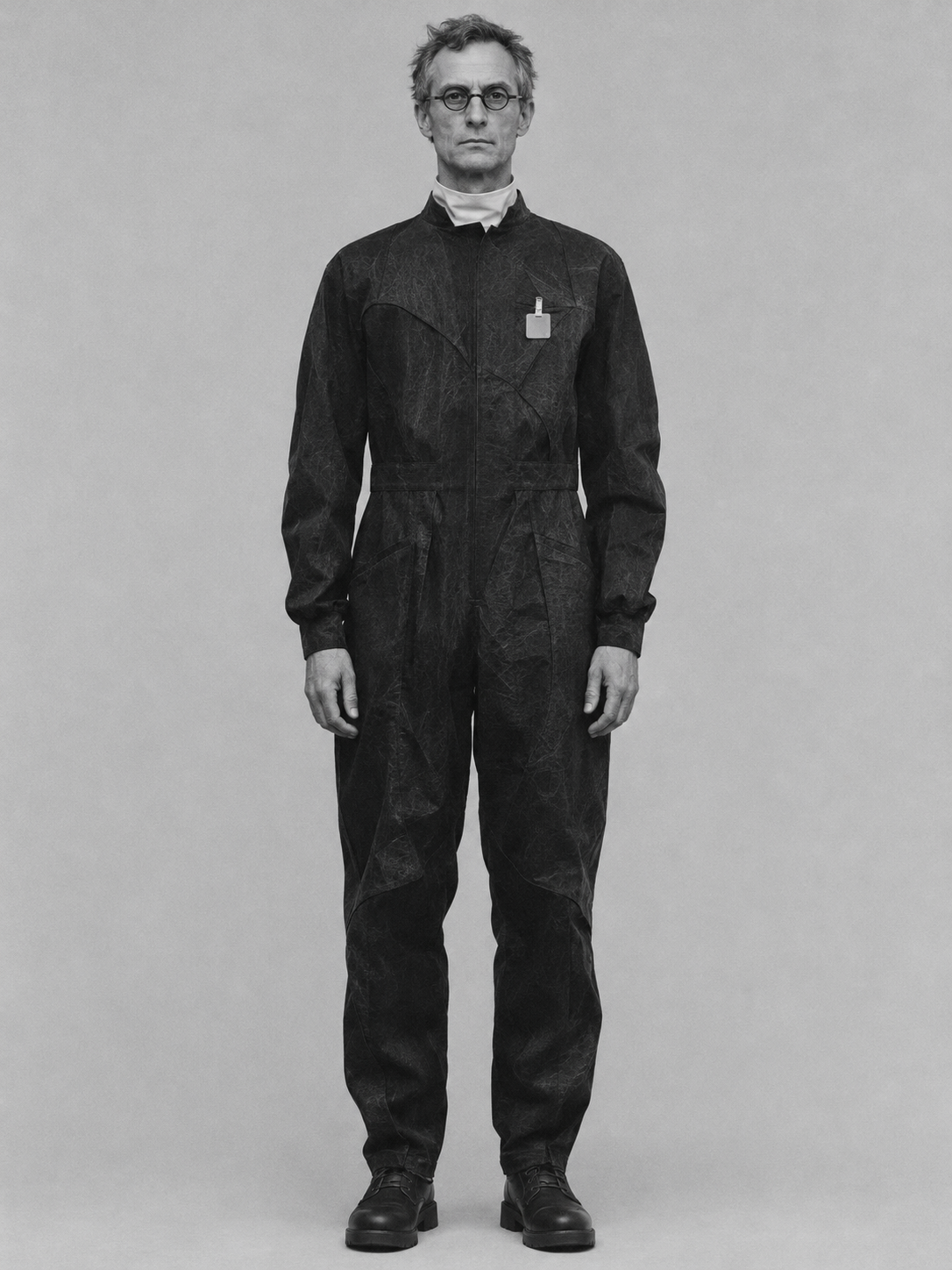
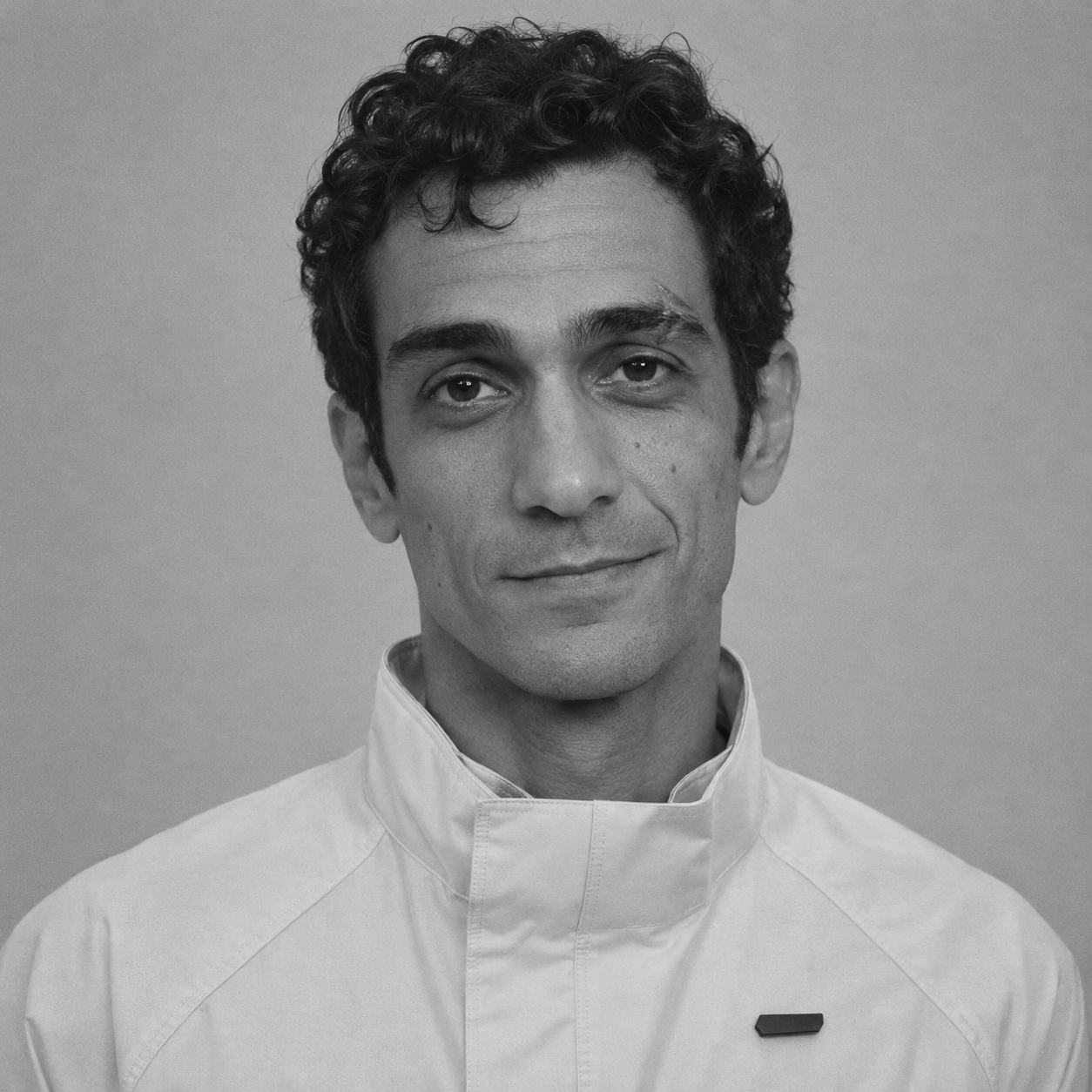
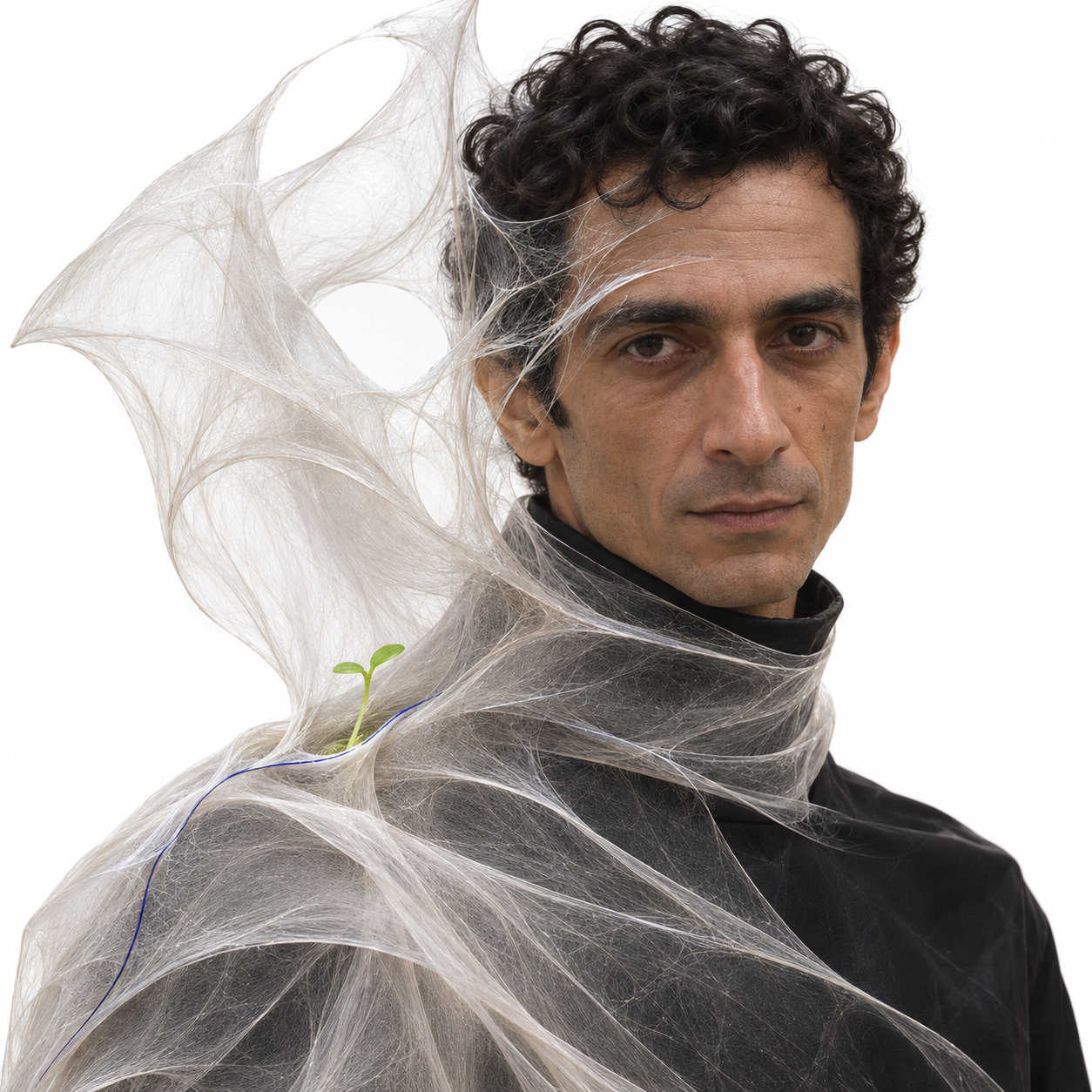
Dr. Elias Kern wearing glasses and dark laboratory clothing
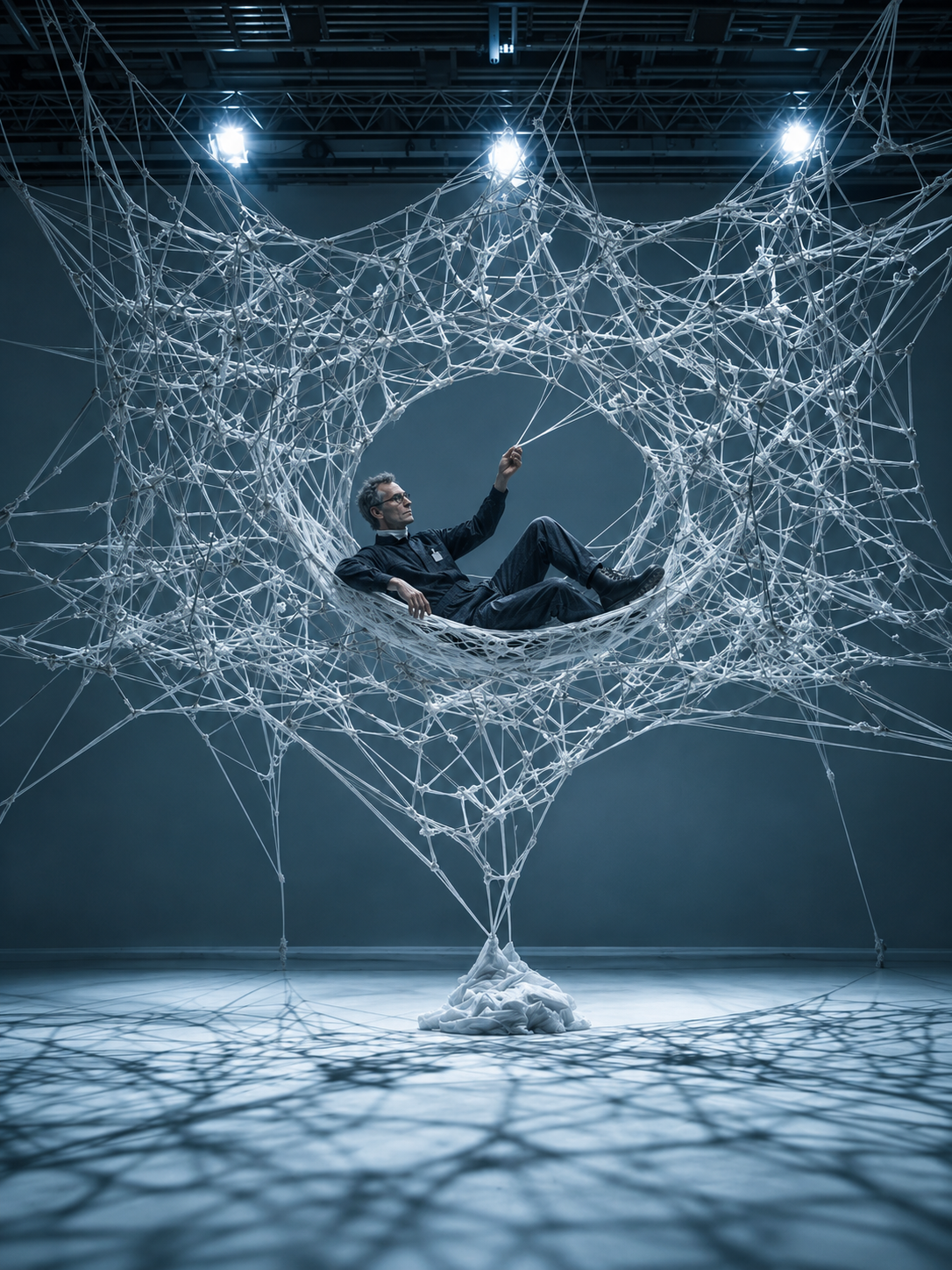
A suspended silk structure in a blue-lit research installation

VEYL LAB
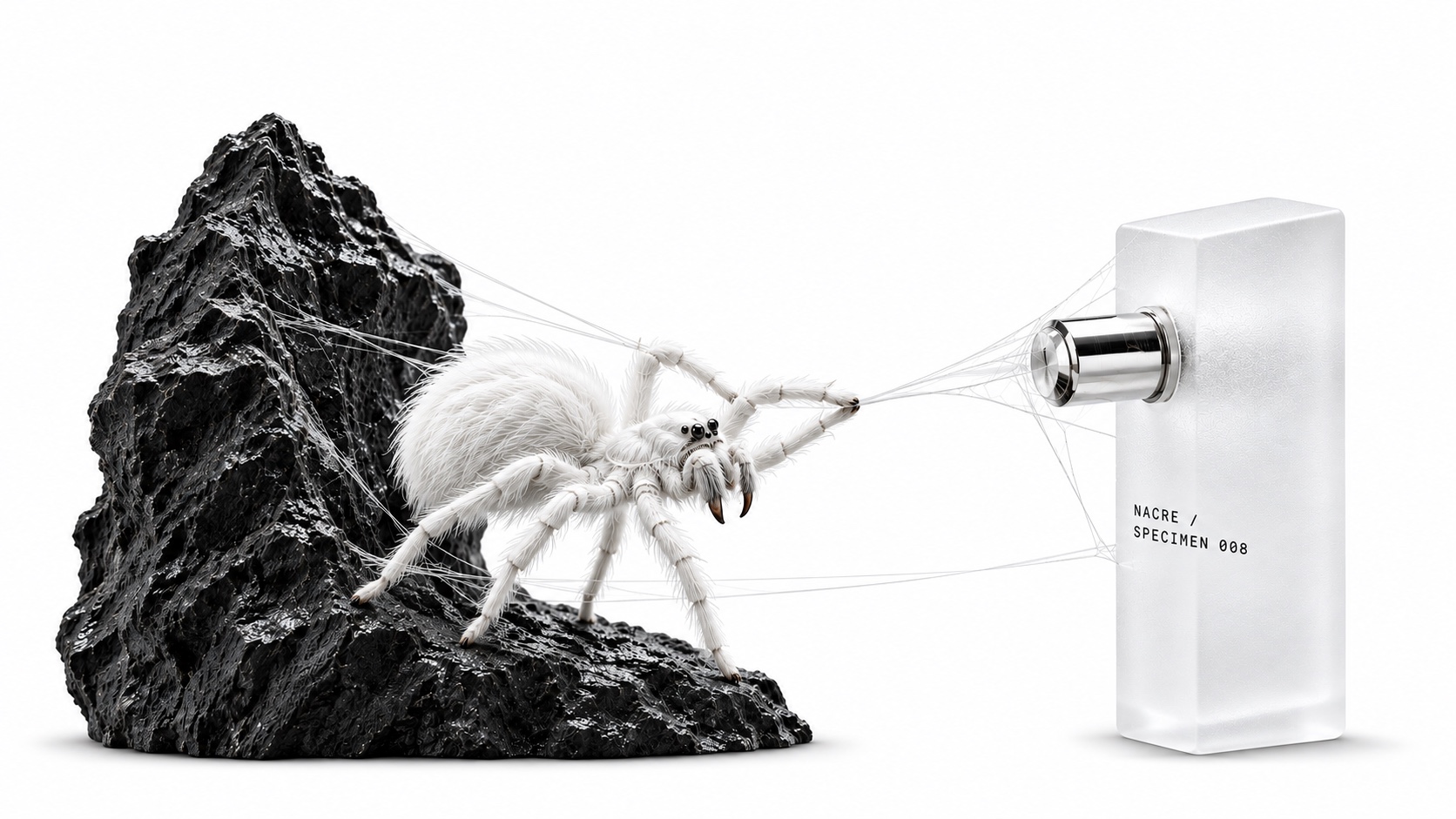
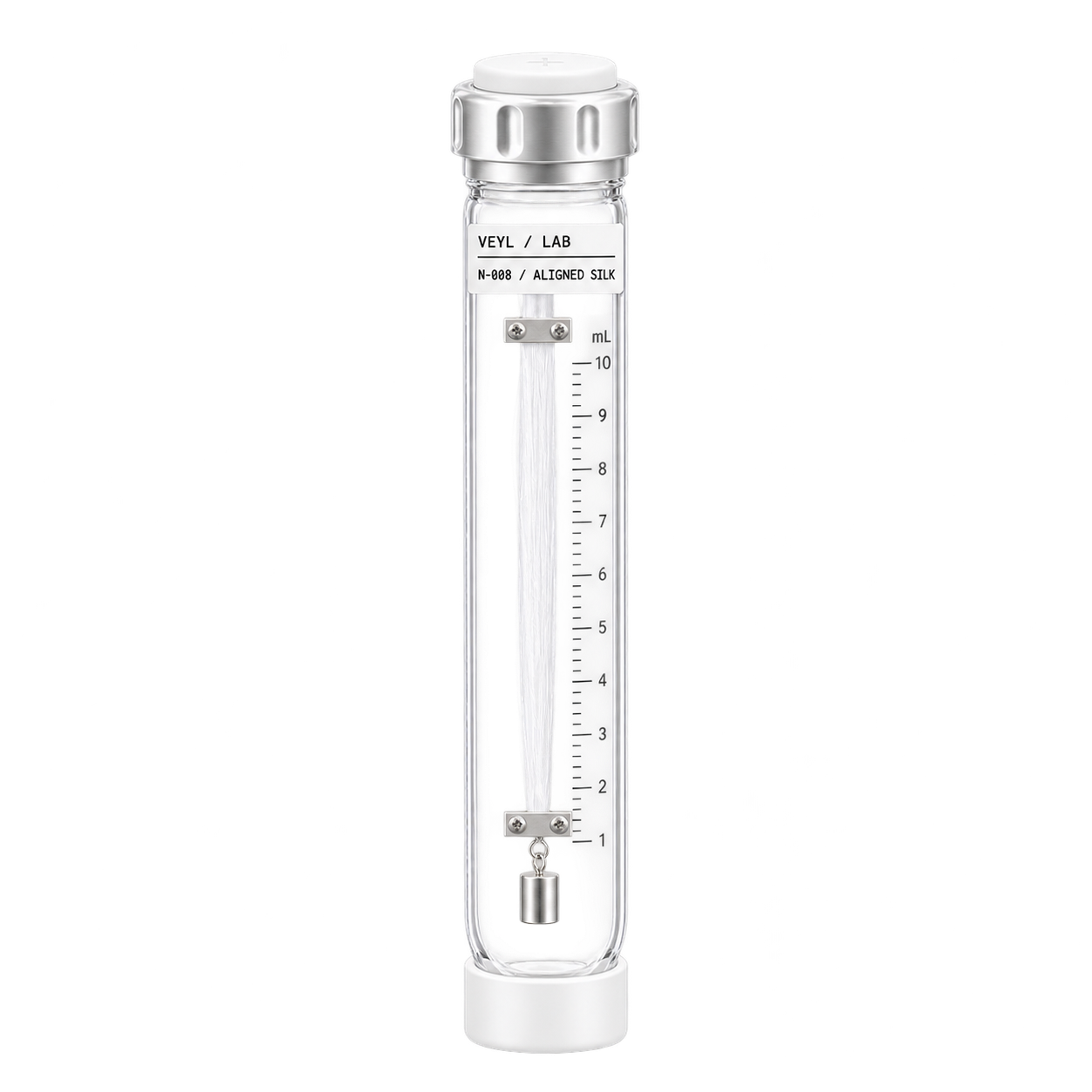
NACRE — 008

Nacre fragrance

VEYL LAB
MEMBRANE — 001

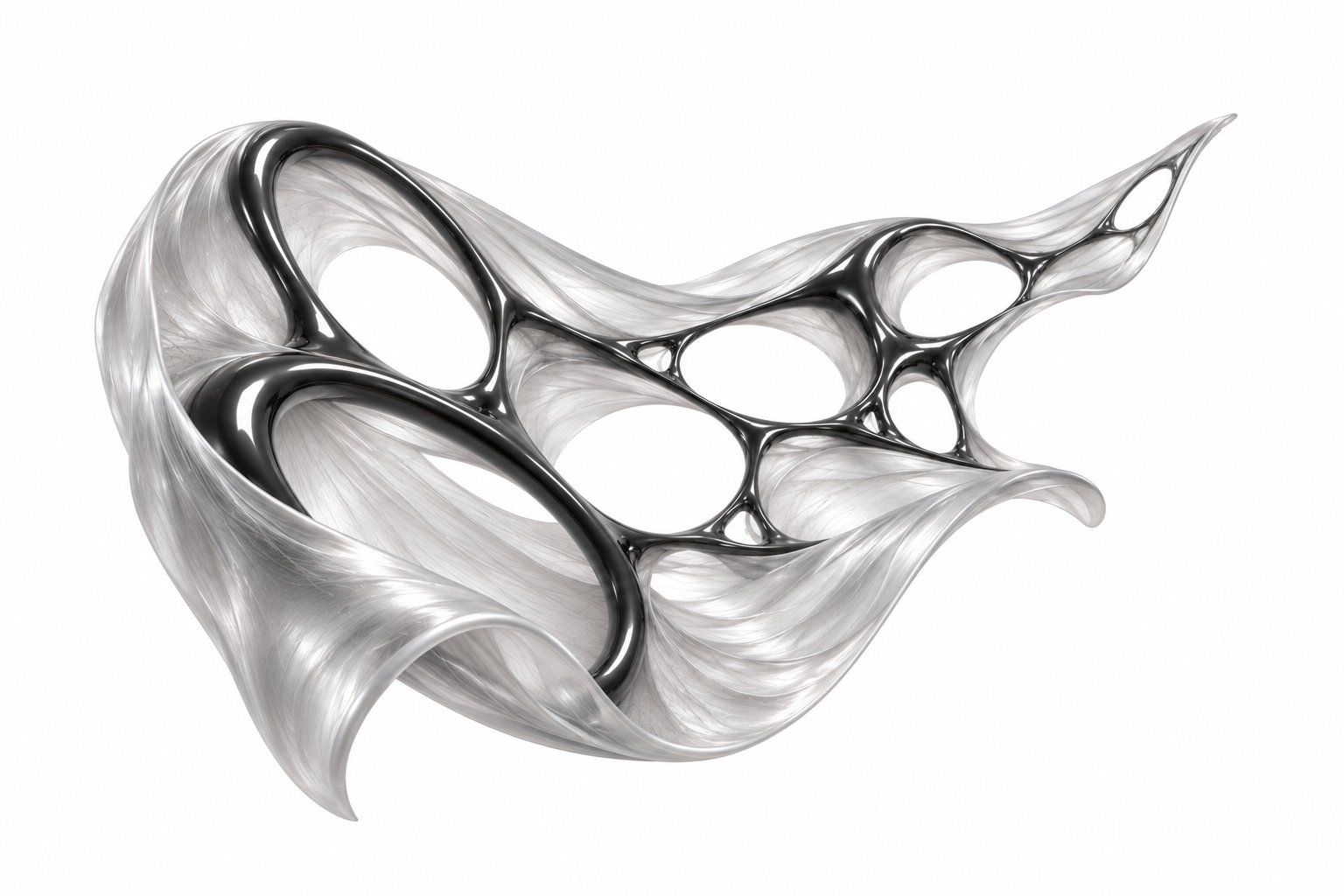
Adaptive silk garment

SMALL BEGINNINGS. RADICAL FORMS.

VEYL / MATERIAL ARCHIVE

Silk carry form

A FORM TO CARRY

A soft structure, held in the hand

CARRY / SILK OBJECT / 001

ORIGIN

RECOGNISE THIS SILK?

Found on a rooftop. Traced to our courier.
IVO REED / MATERIAL RECOVERY

01 / THE SHORTCUT

Ivo tested a silk suit.
The suit returned. Kilometres of thread didn’t.
We called a meeting.

02 / NOTHING WASTED

We collect it by night.
Clean it. Spin it again.

NO THREAD LEFT BEHIND.

Ivo Reed, material recovery, in a laboratory coatIvo Reed wrapped in recovered silk
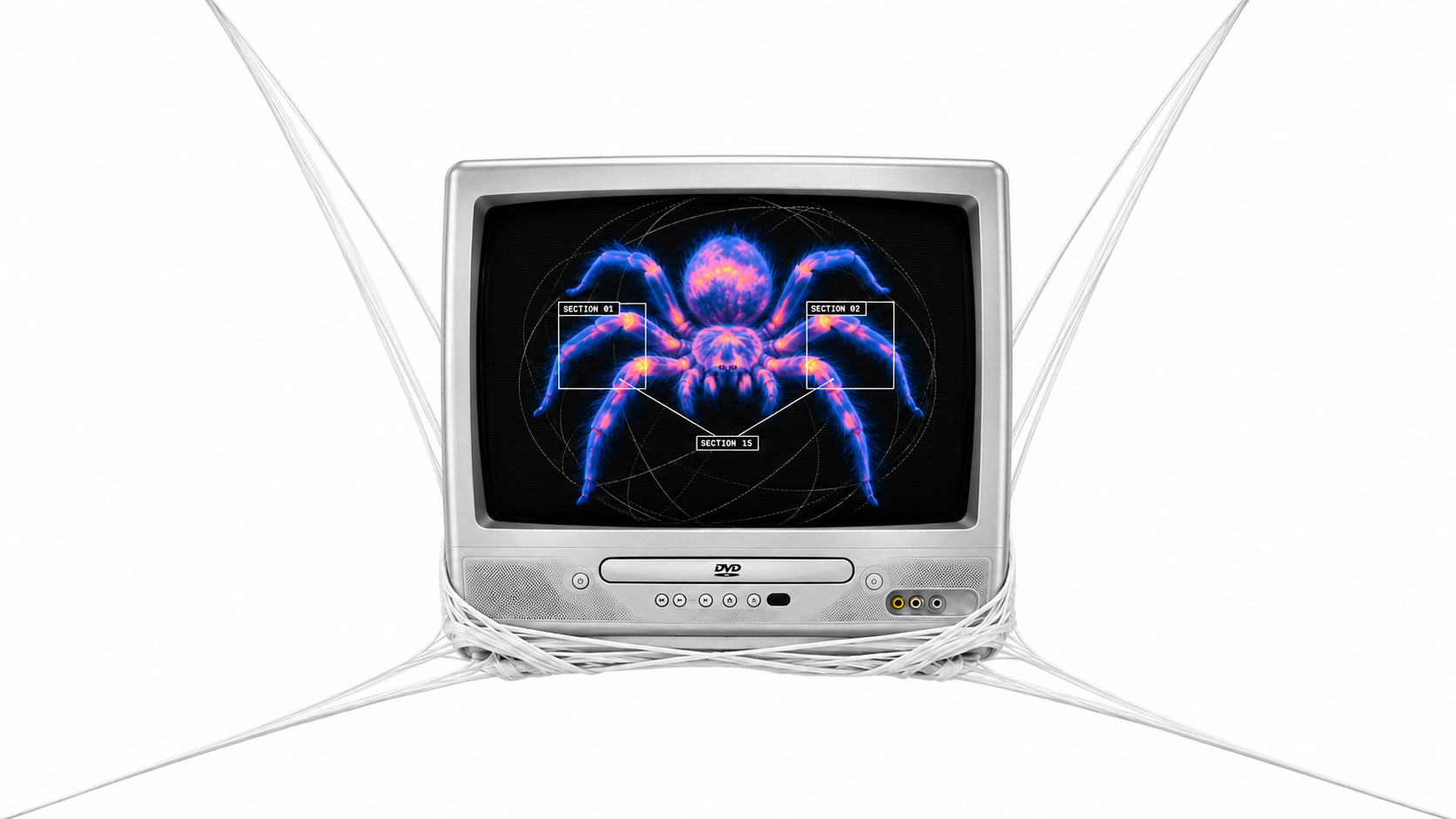
A silver CRT monitor suspended in silk threads, displaying a thermal Nacre specimen
COLLECTION / OBSERVATION / RECOVERYMATERIAL ARCHIVE / EST. 20012026
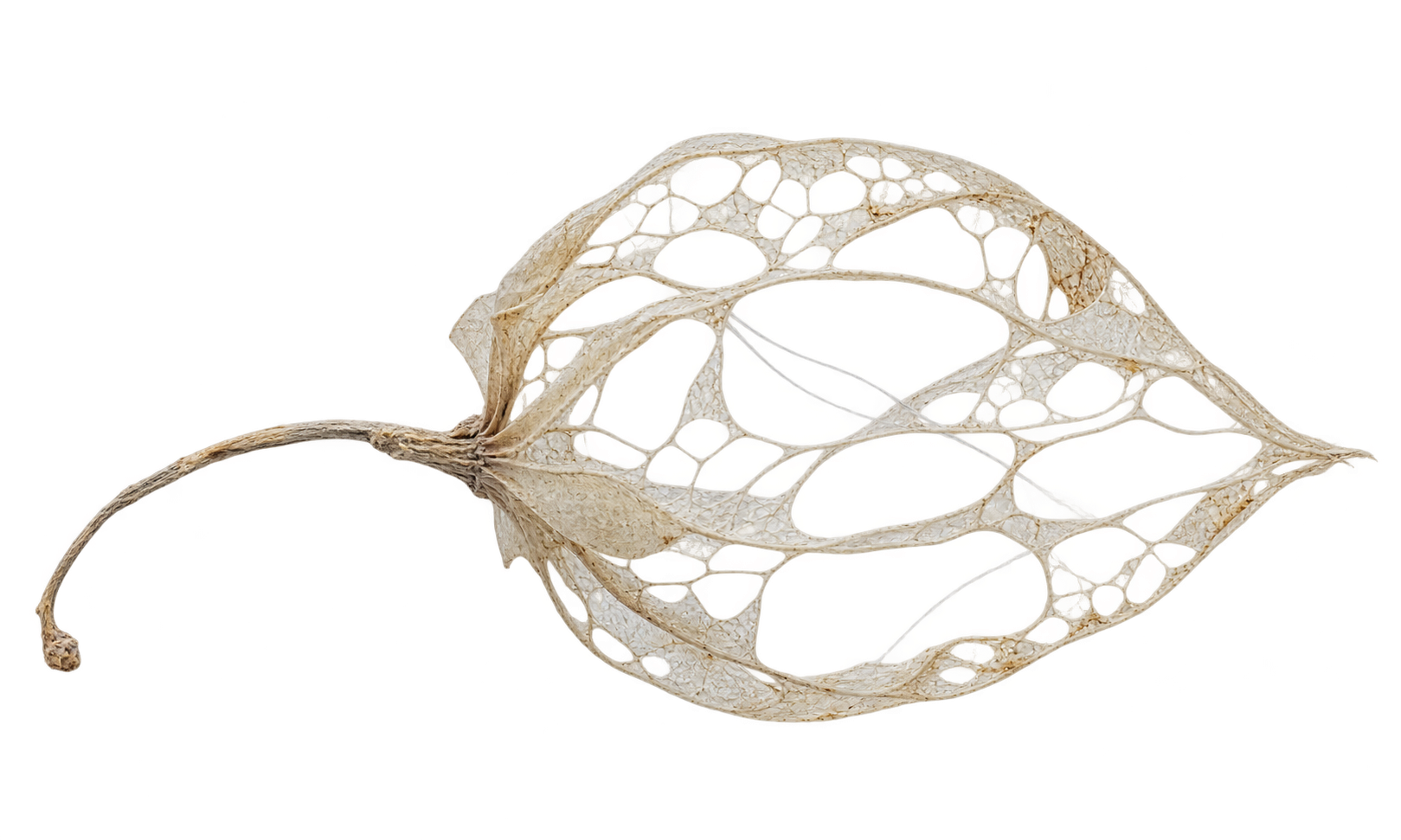
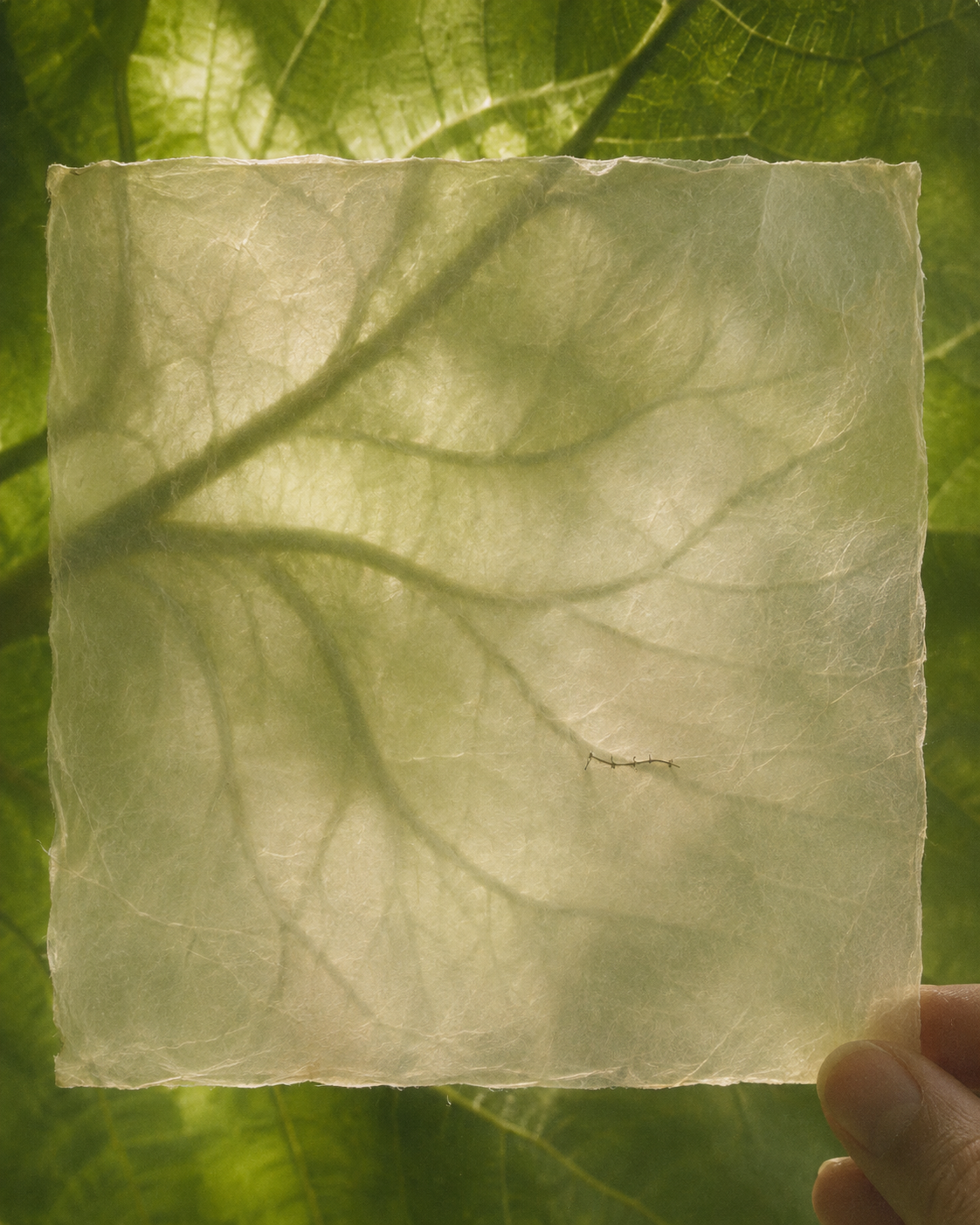
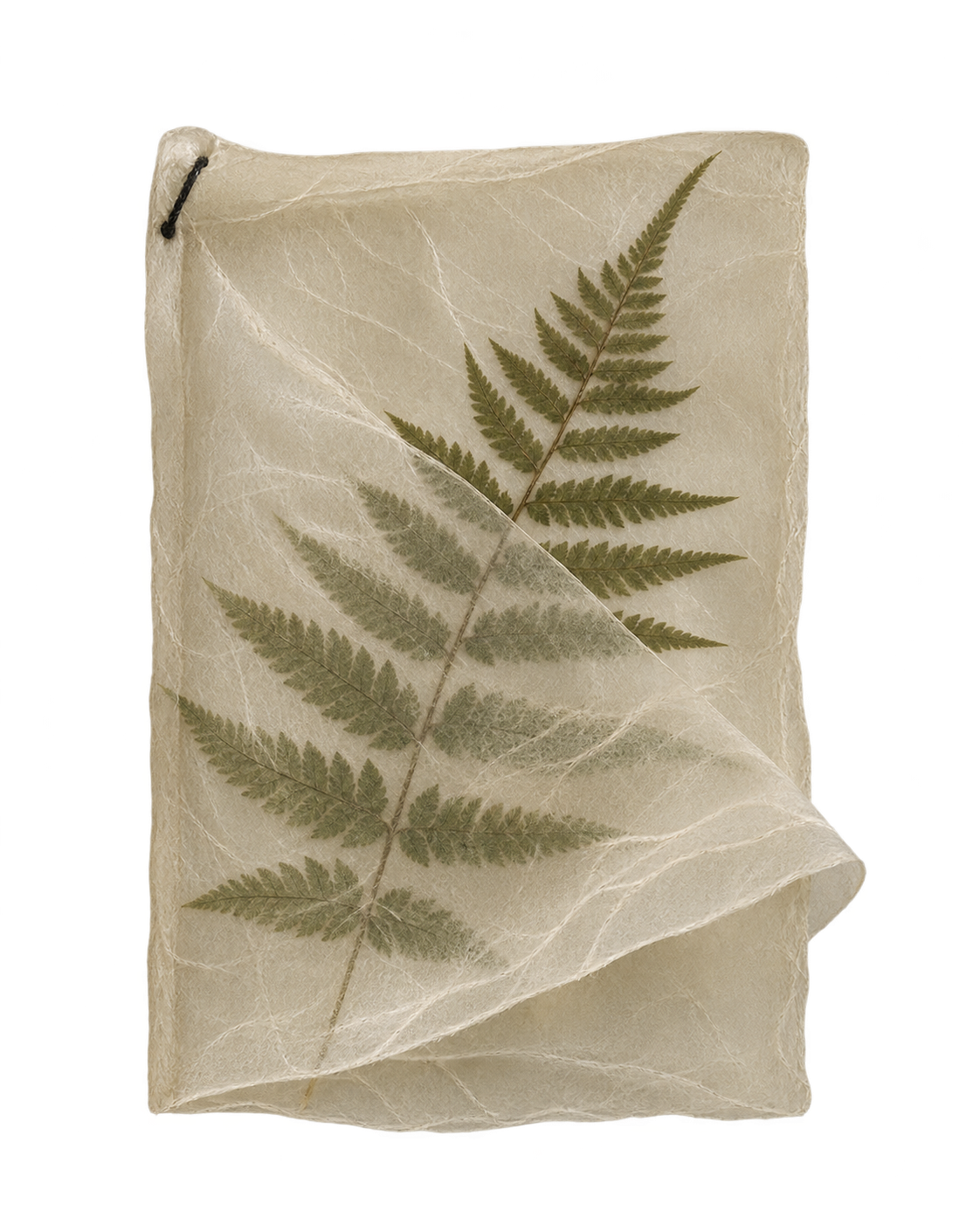
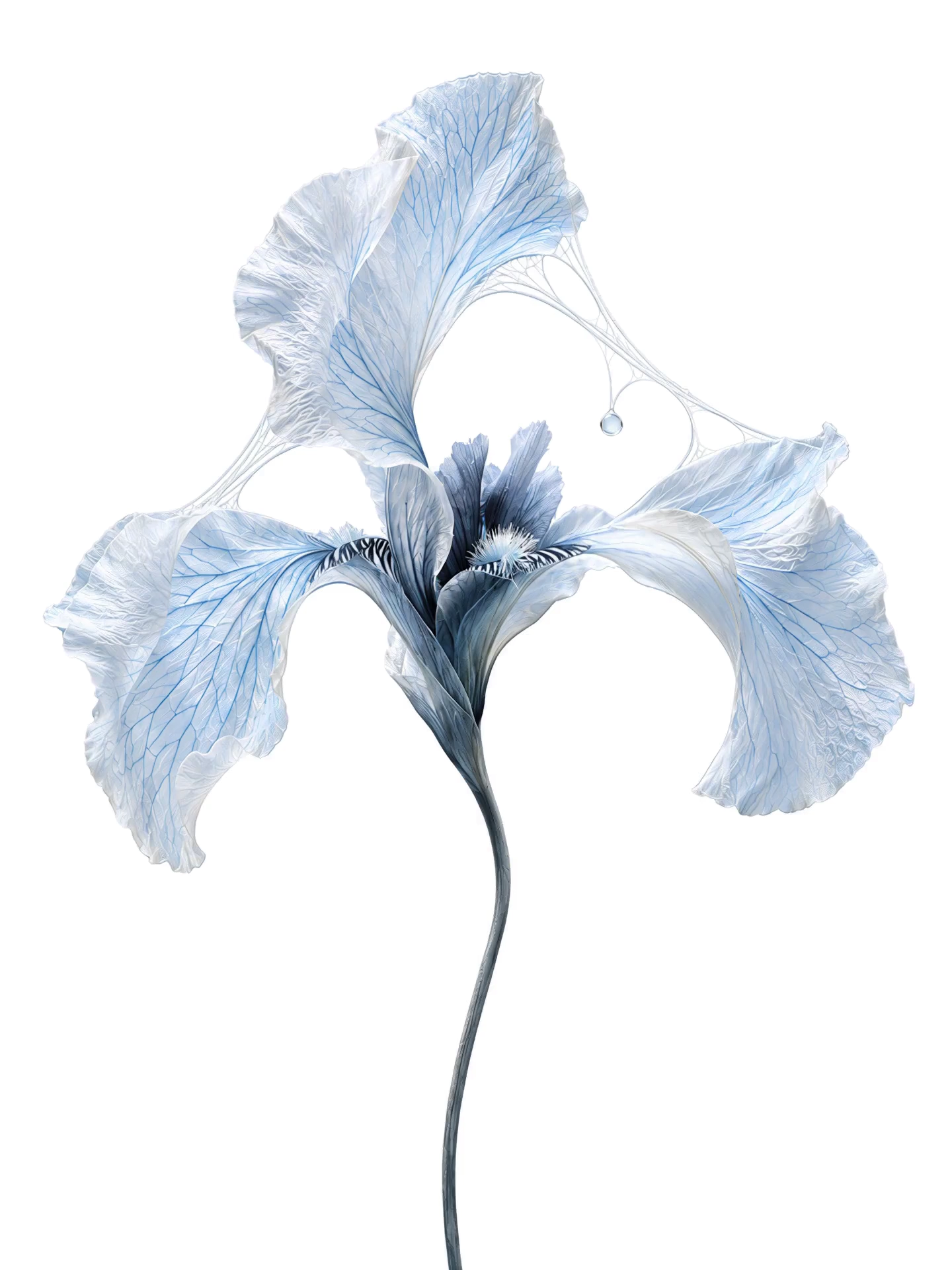
Botanical field specimen
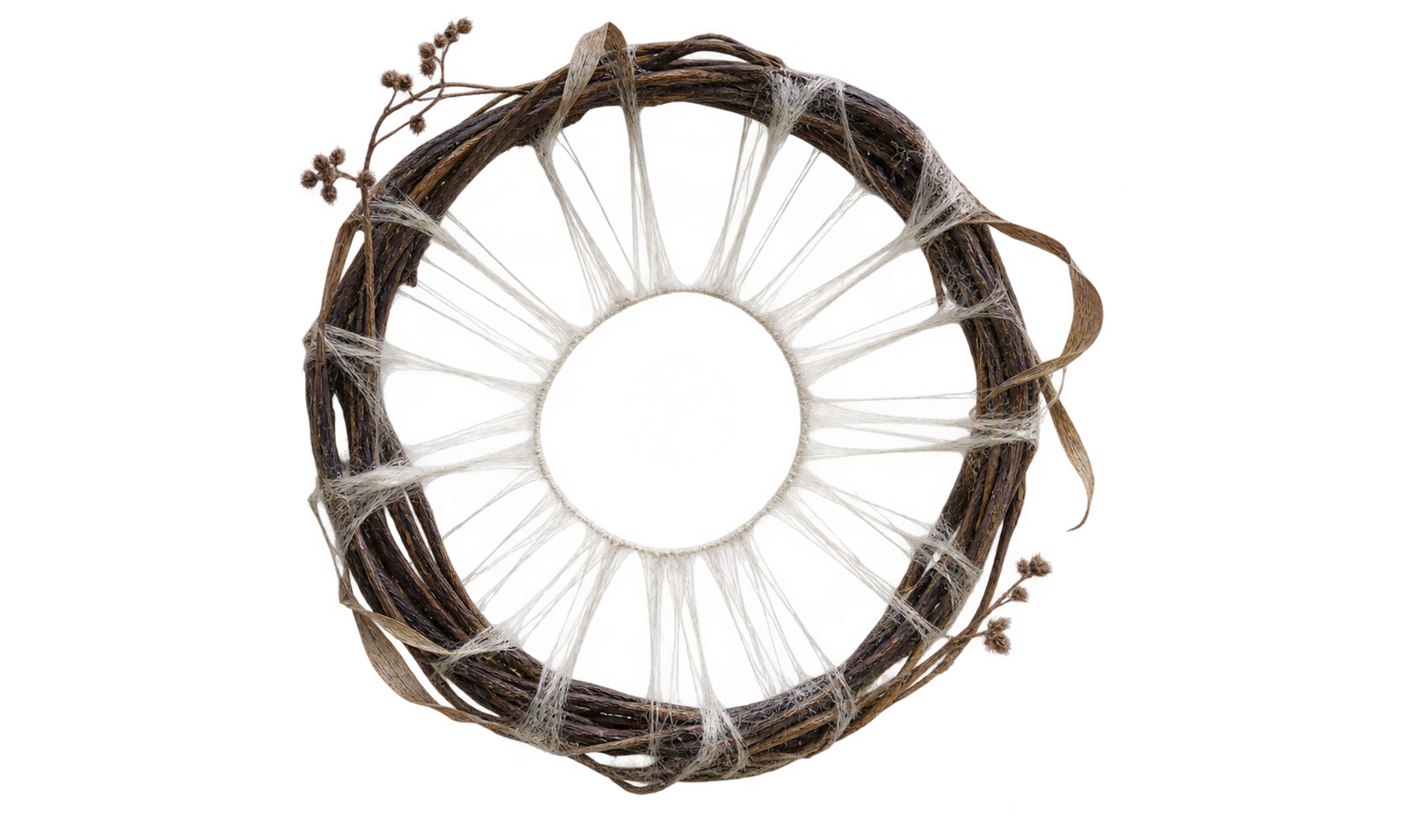
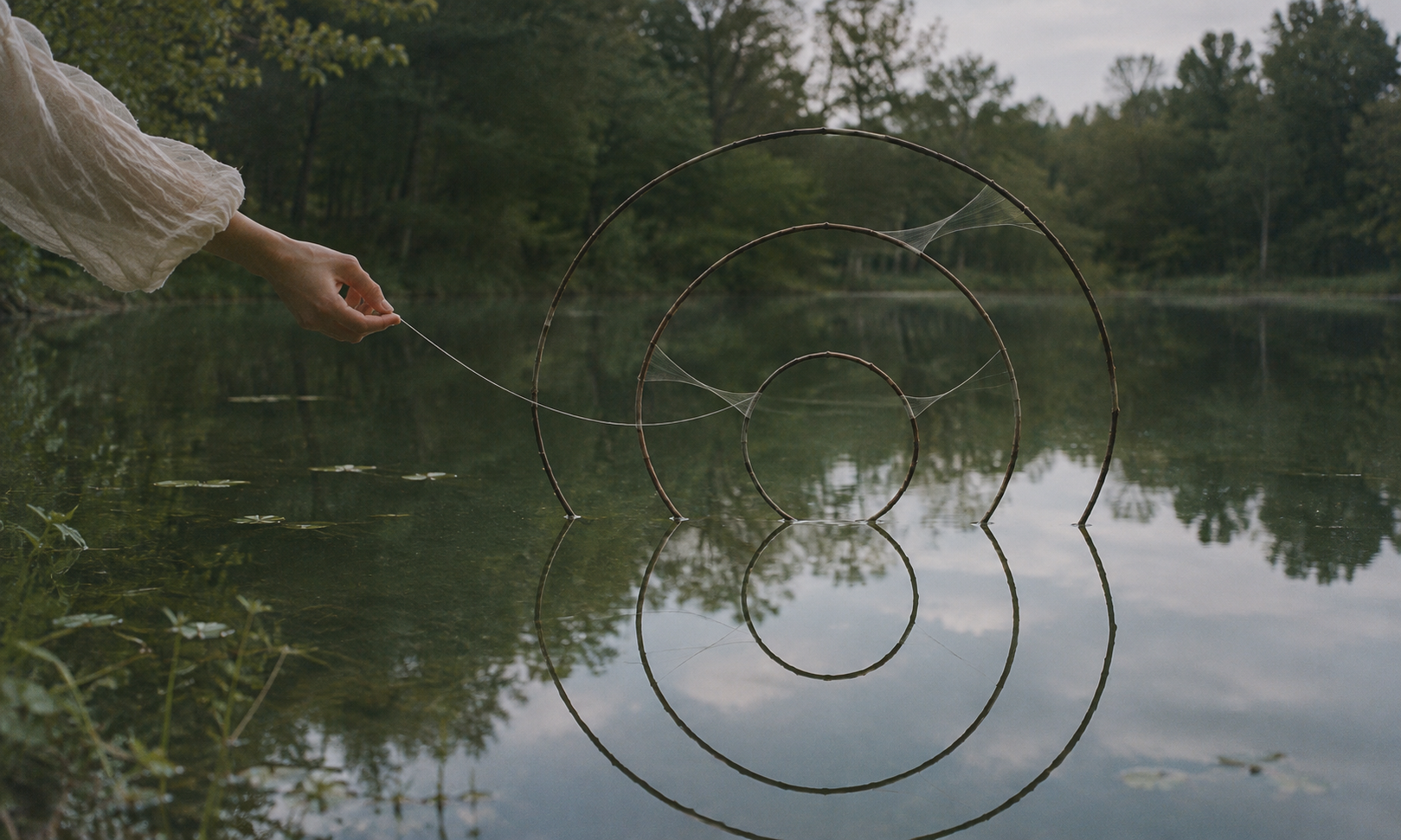
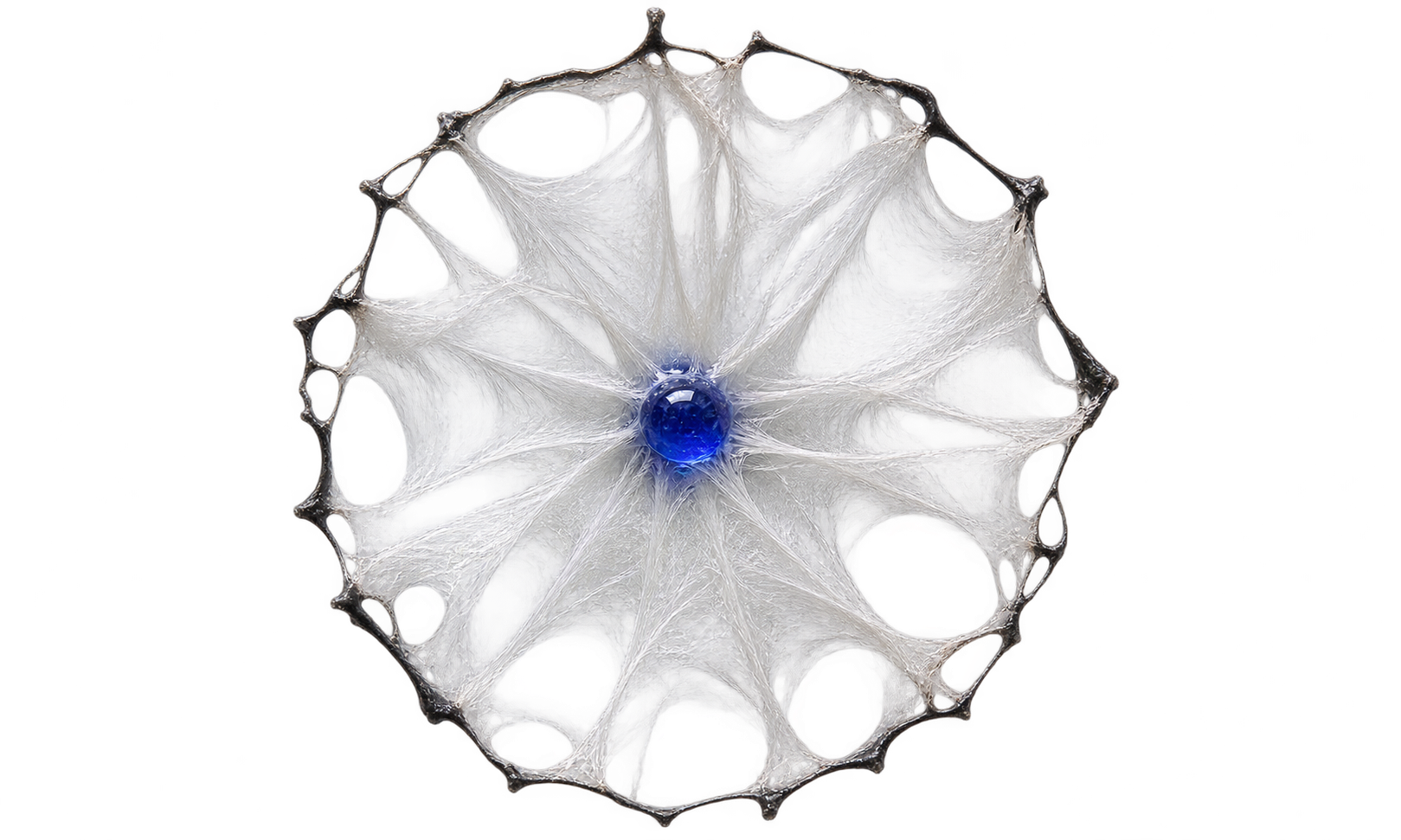
Radial silk study
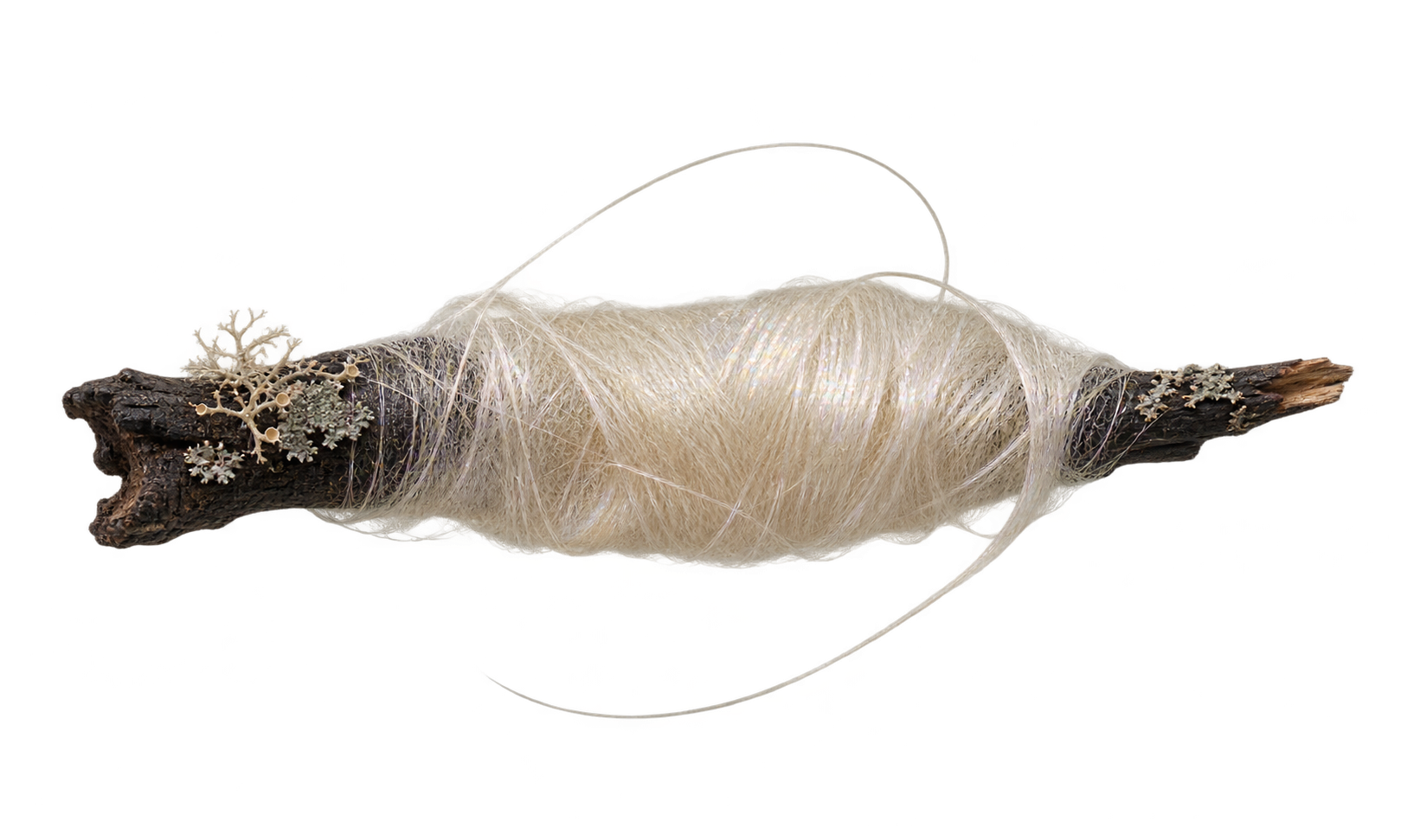
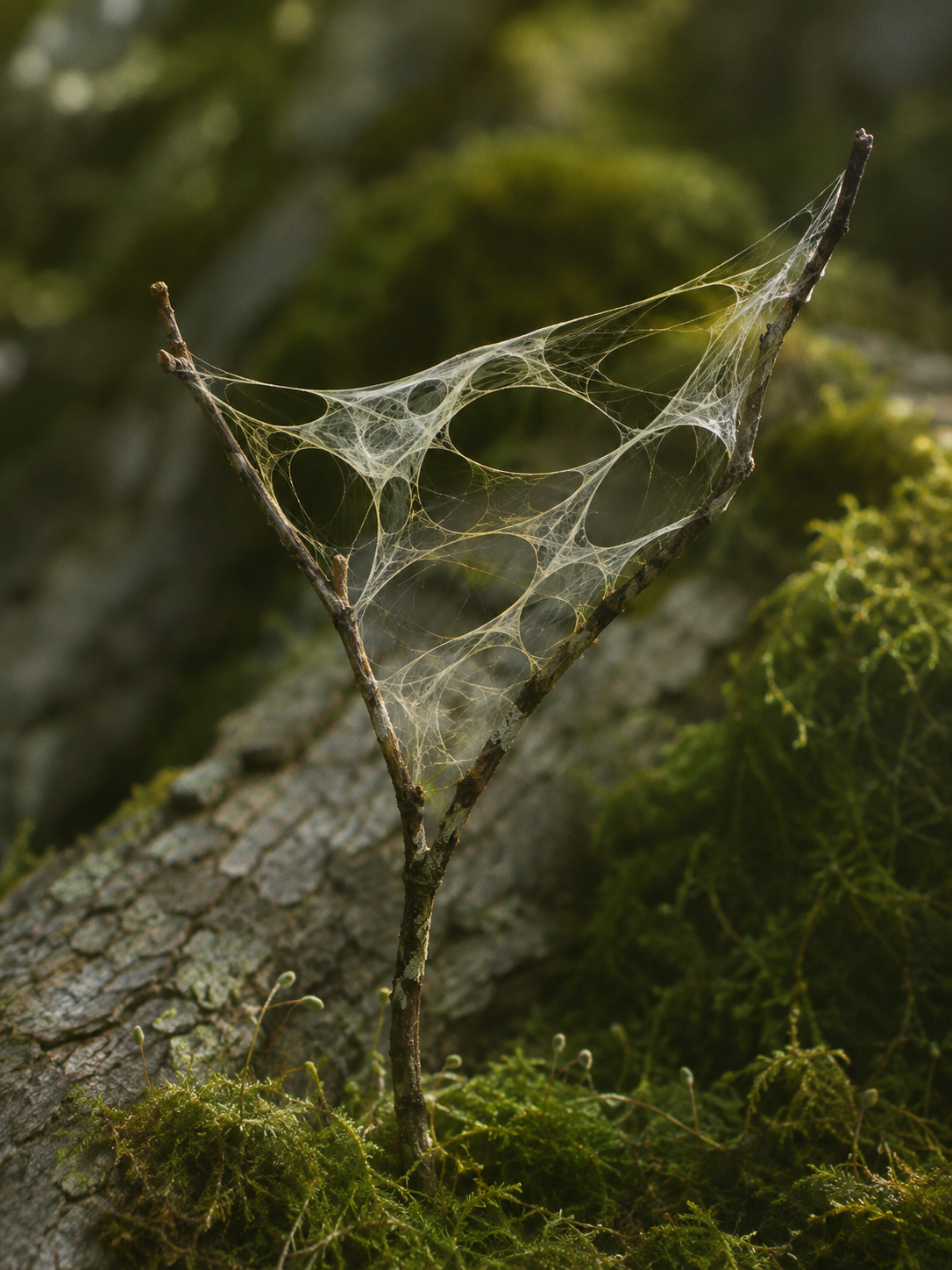
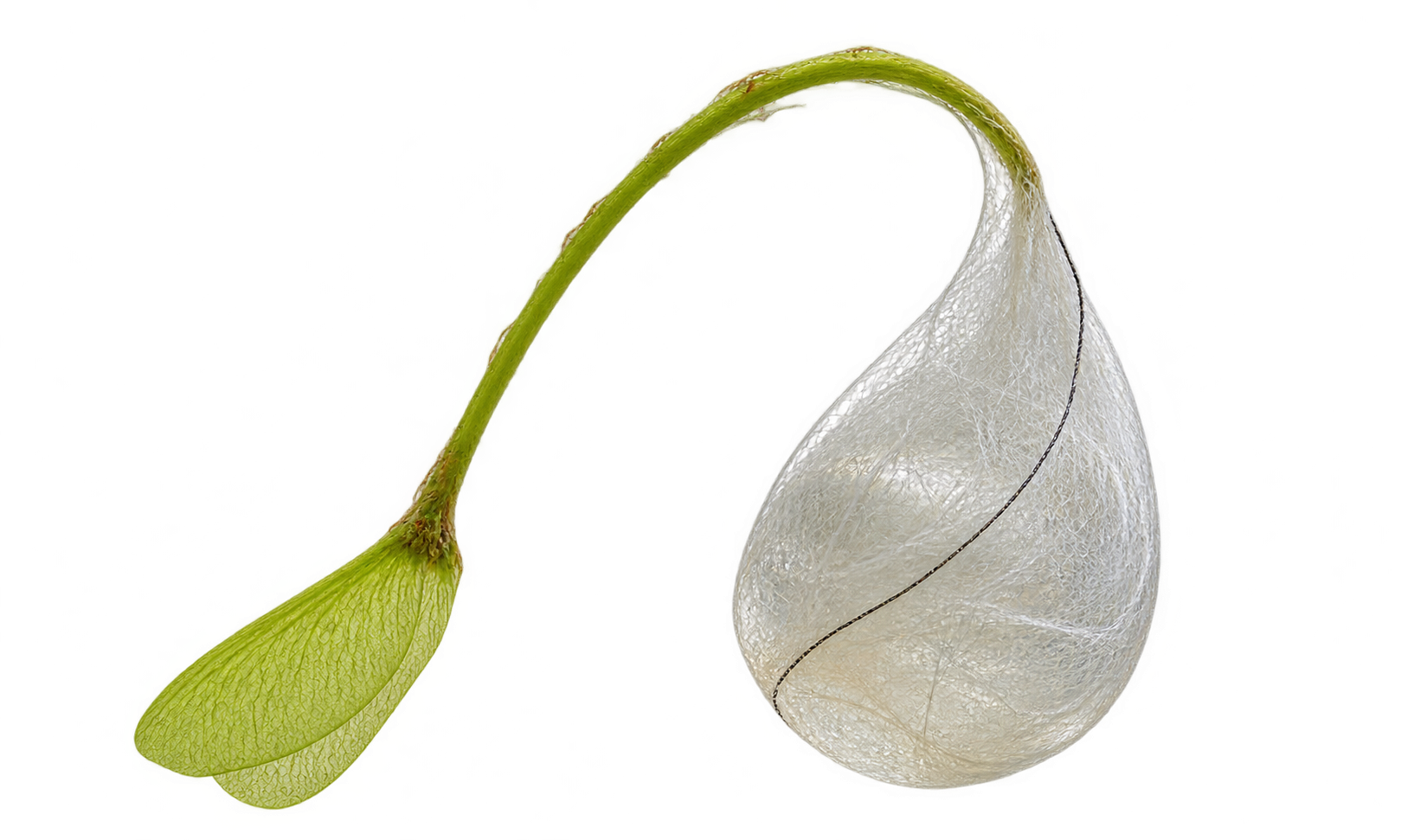
Raw silk on branch
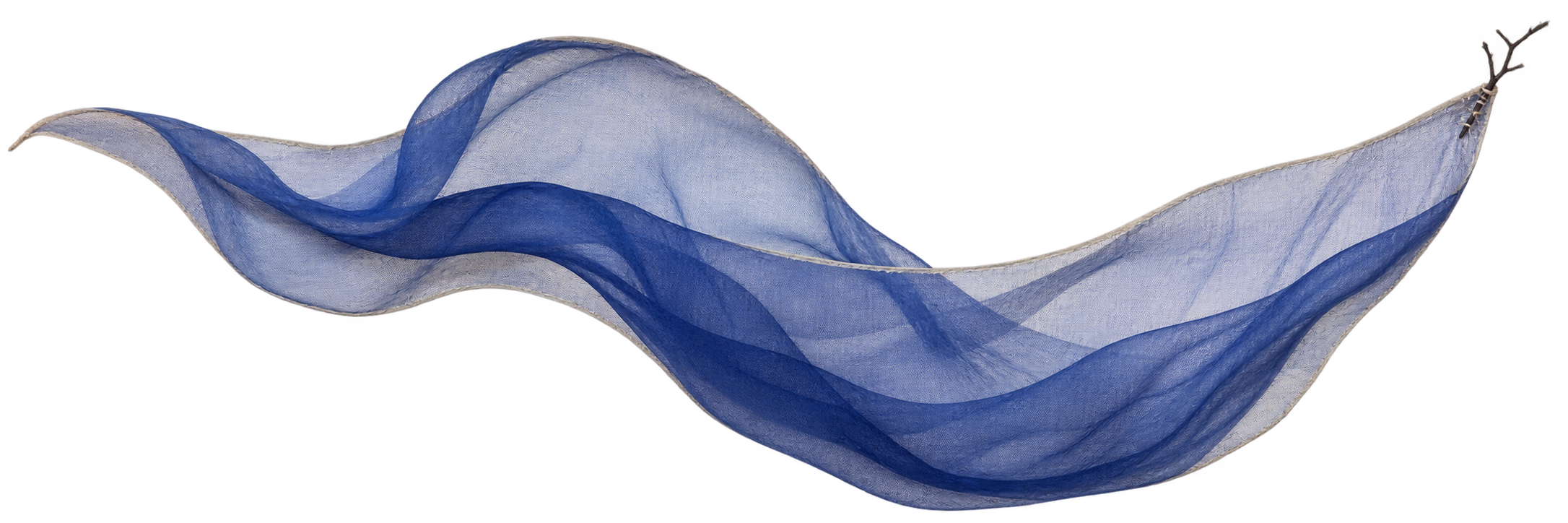
Airborne blue membrane
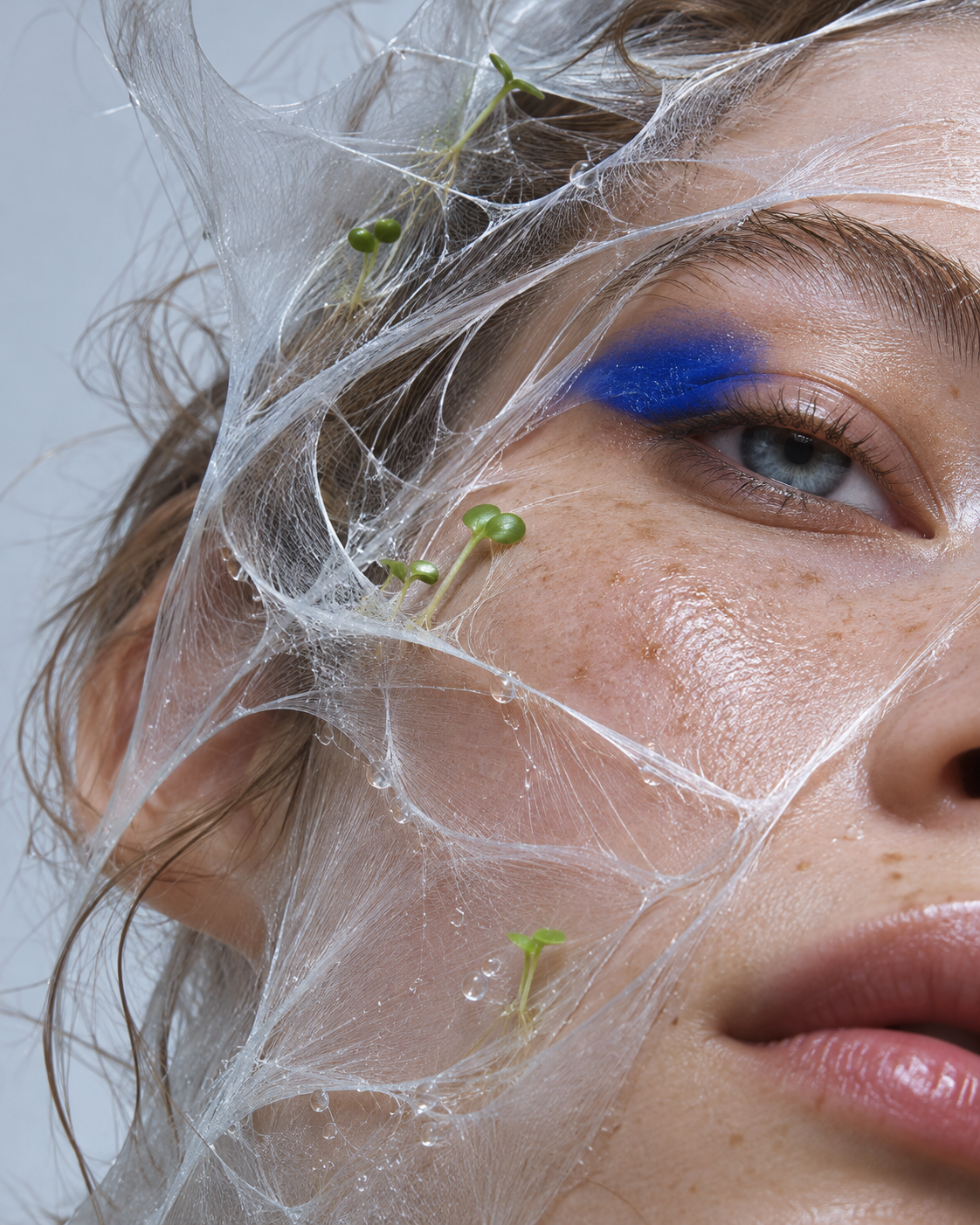
Botanical imprint

A MATERIAL WITH A LIFE OF ITS OWN

Selected press / Material Futures

Field report 01 — The Nacre programme

Research archive / 2026

NATURE / STRUCTURE / EVERYDAY LIFE

THE LIVING SOURCE

Nacre colony

Locally found. Individually cared for.

The process

Observe, collect abandoned silk,

align fibres and explore new forms.

The principle

Make room for the maker.

Keep the material in circulation.

SOFT BY STRUCTURE

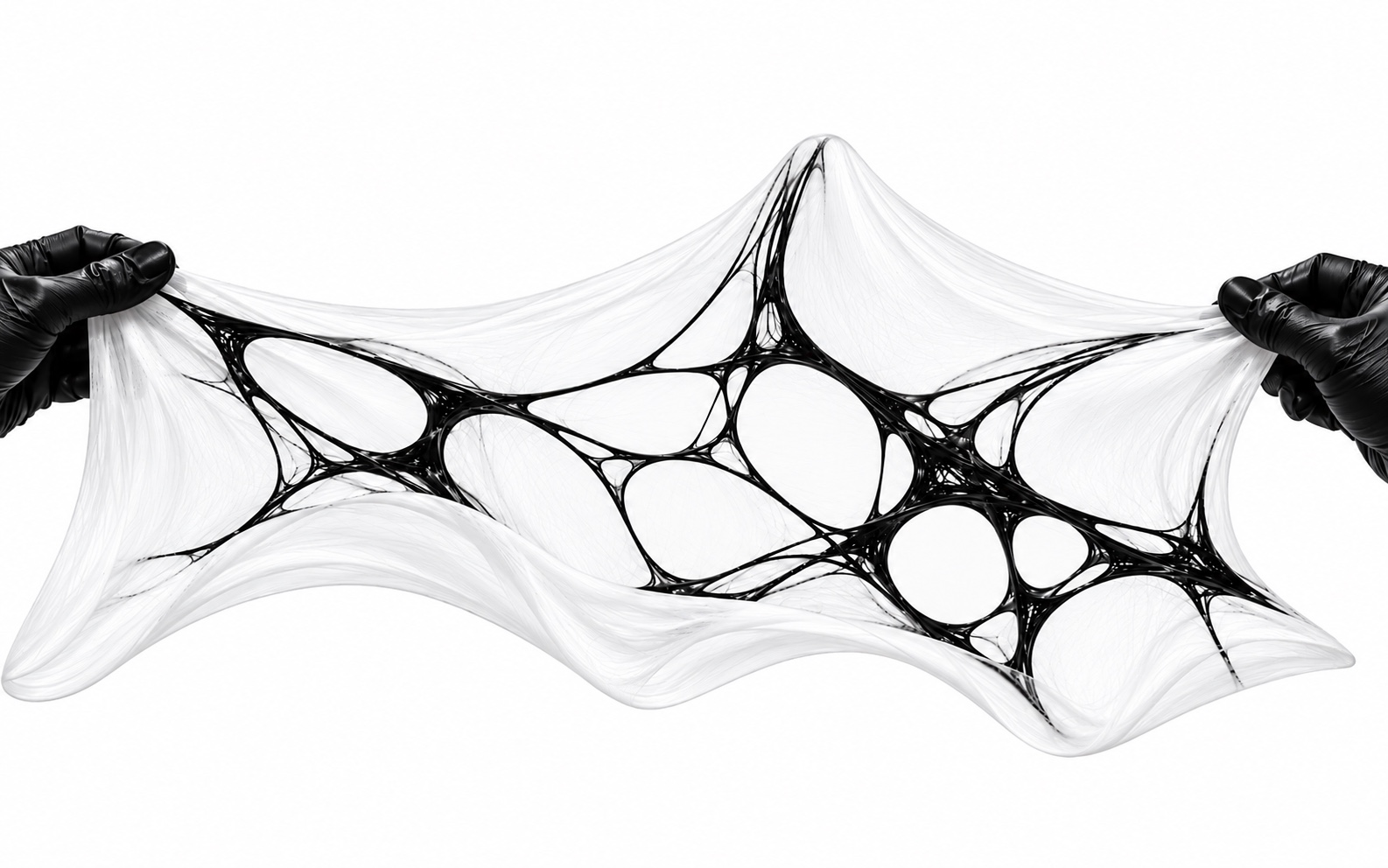
A chair that yields. A membrane that moves. Everyday objects shaped around the way we live, then returned to the material cycle.

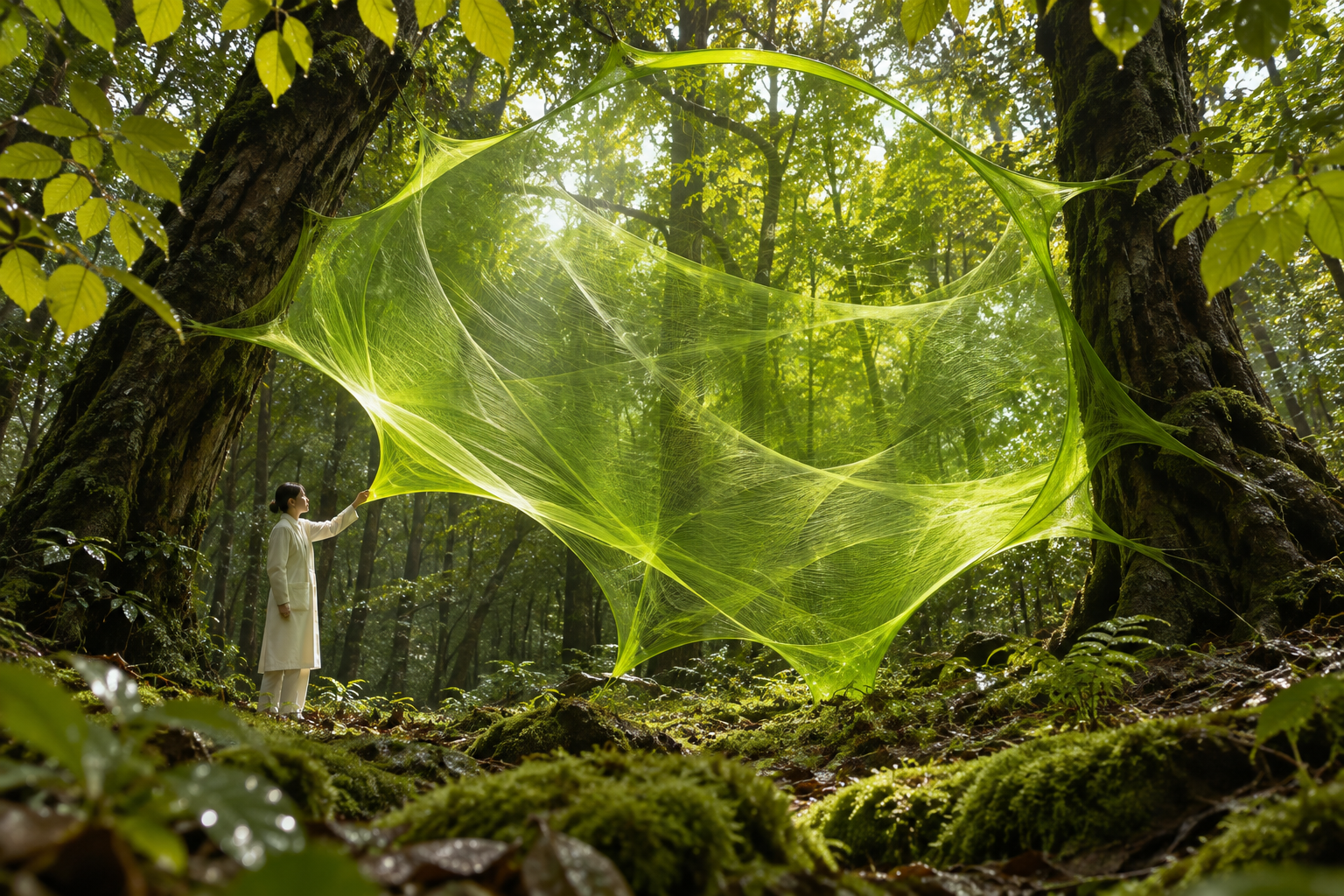
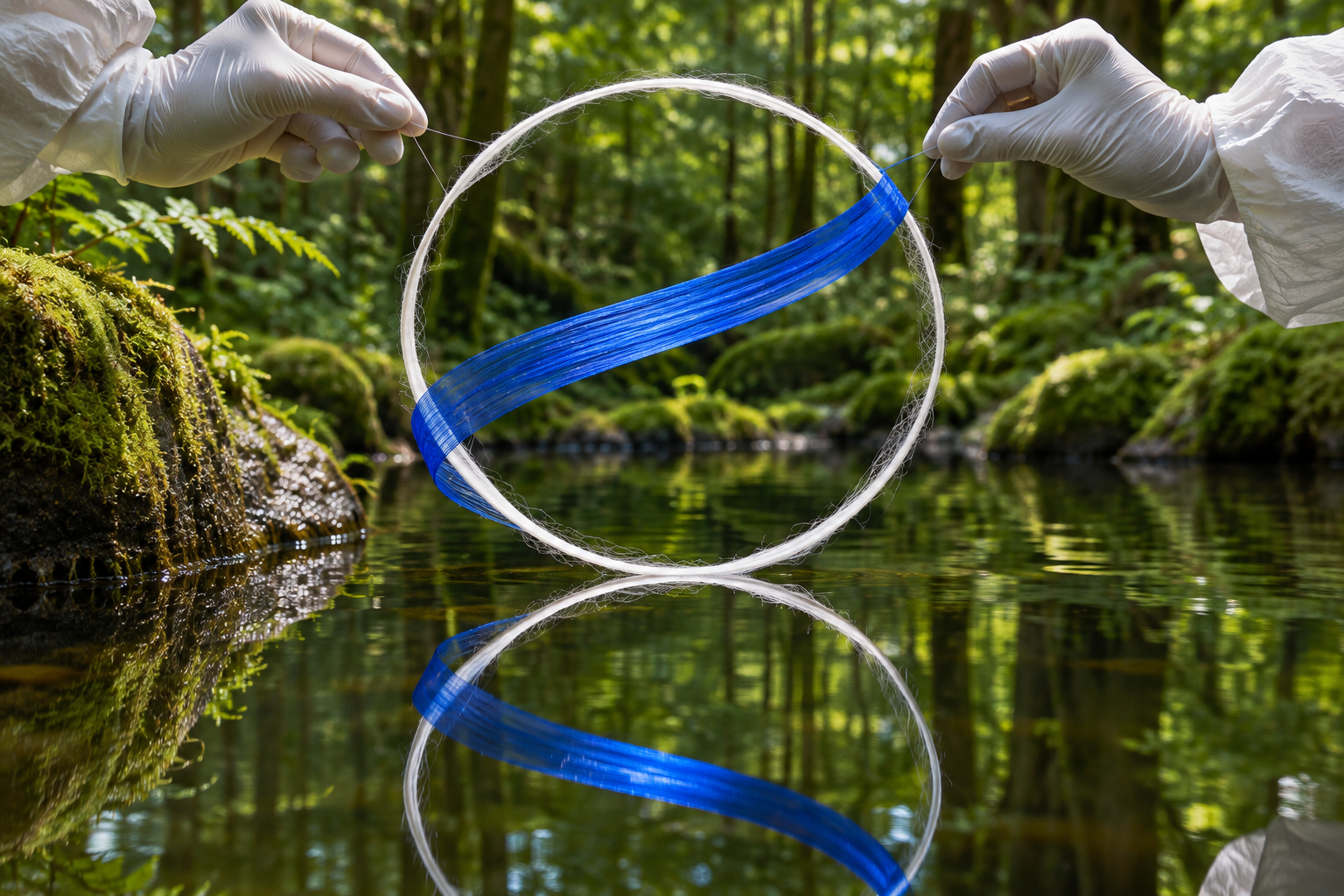
Forest research installation
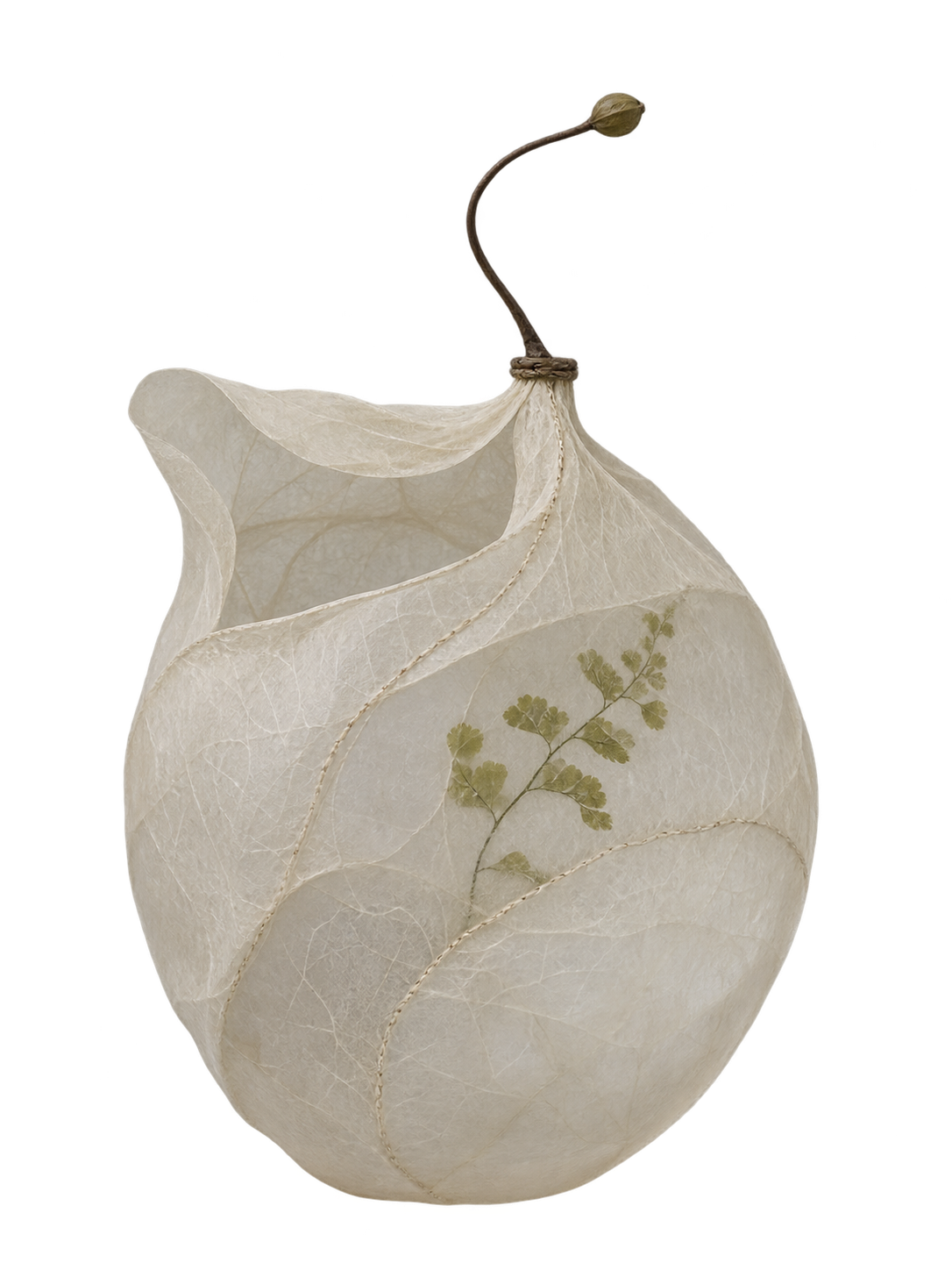
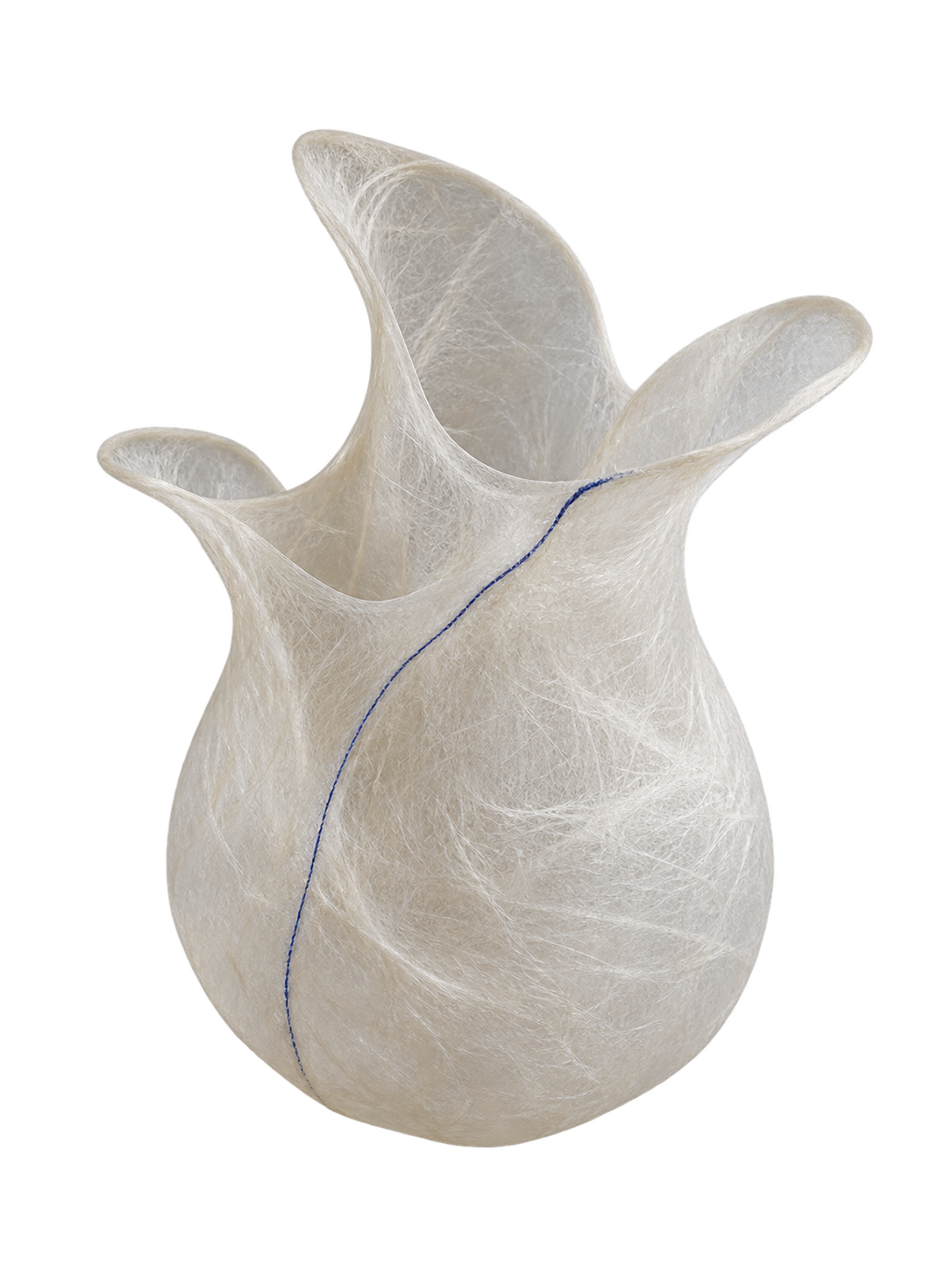
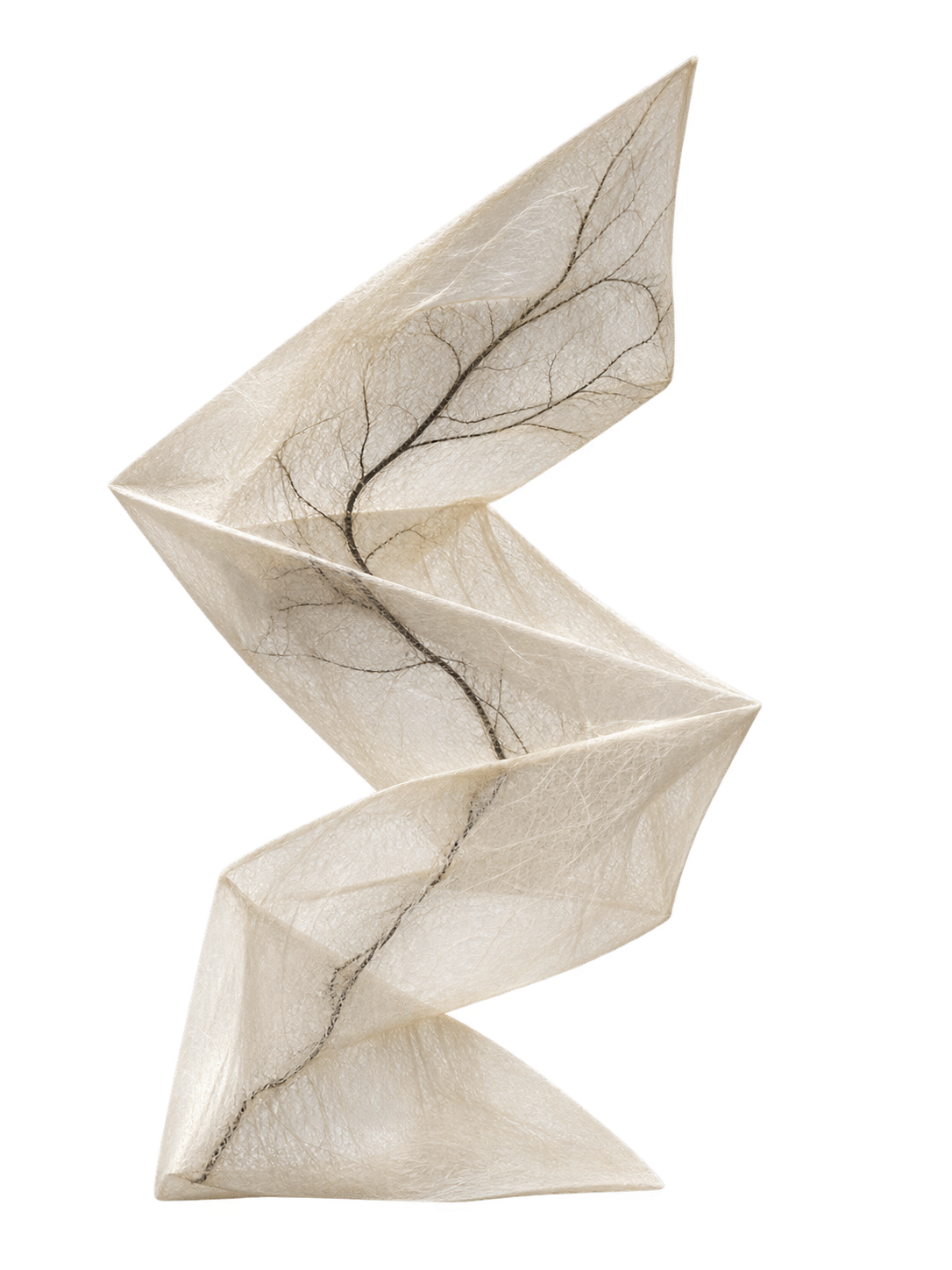
Silk-paper vessel

MATERIAL CULTURE / 02

● A surface that gives way without giving up. VEYL turns Nacre silk into adaptive forms, tracing every finished object back to a living maker.

FROM THE FIELD

Beyond an old house on black sand, a different kind of material practice is taking shape. The colony sets the rhythm: feeding, weaving, resting. Researchers gather abandoned webs, align the fibres and explore how a surface can respond to the body. Care comes before collection. The result is a technology with an unusually quiet origin.

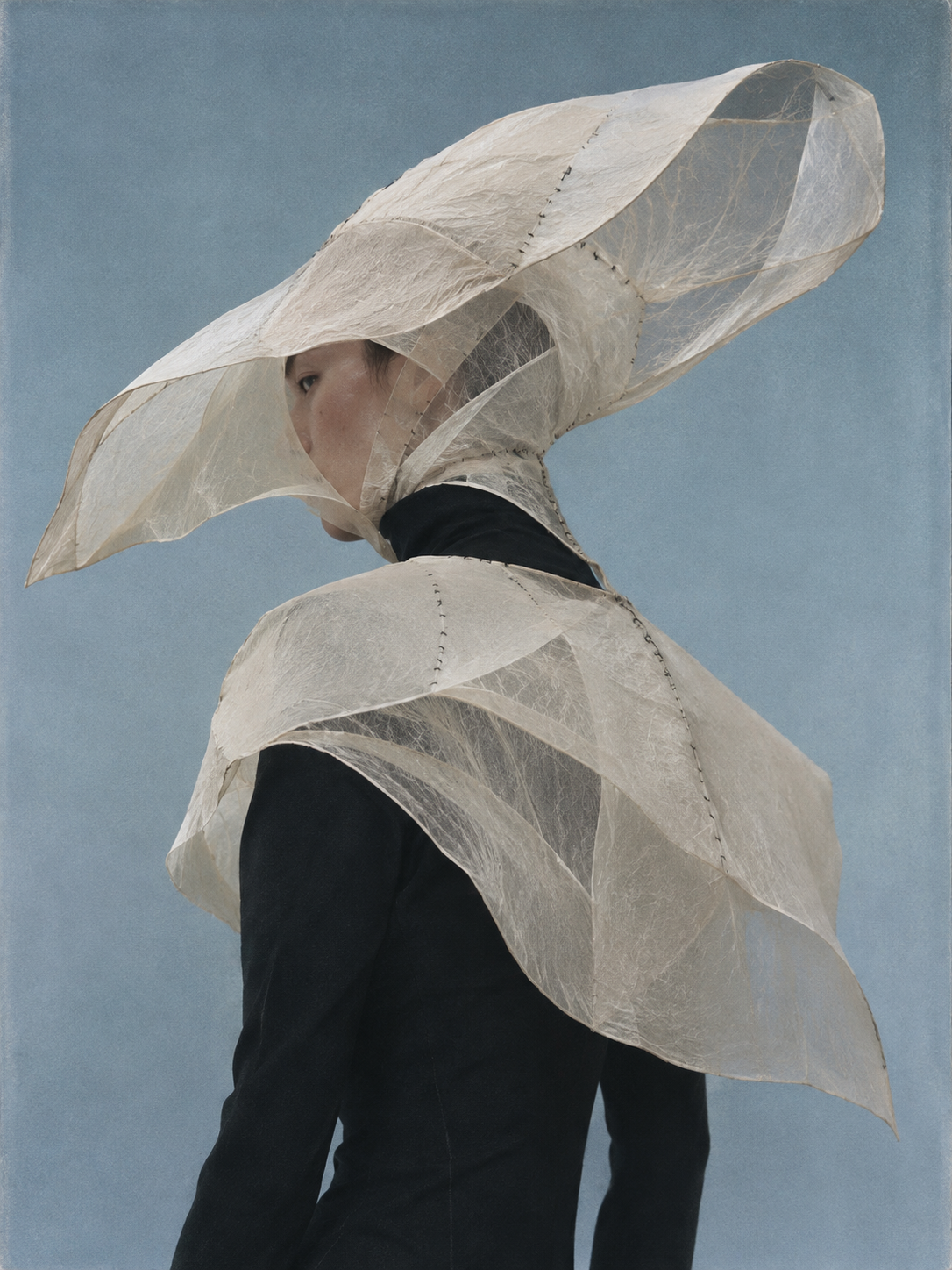
Experimental silk workwear
Living silk structure
Recovered silk archive
Circular fieldwork
Forest research installation
Silk-paper vessel

LIVING FORMS / 03

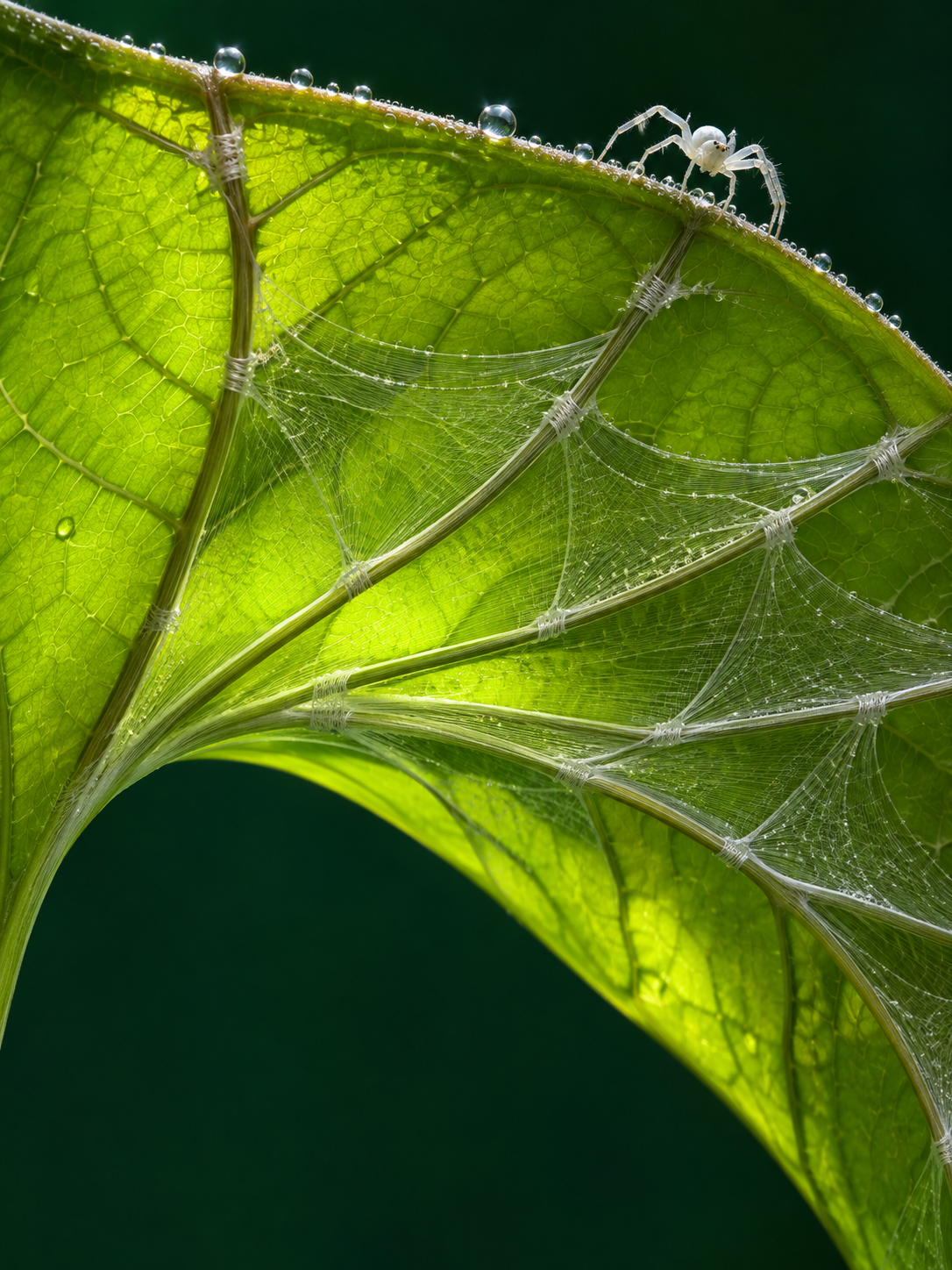
● A leaf, a web, a new way to build. VEYL brings the logic of living structures into things we can wear, hold and inhabit.

OUTSIDE THE LAB

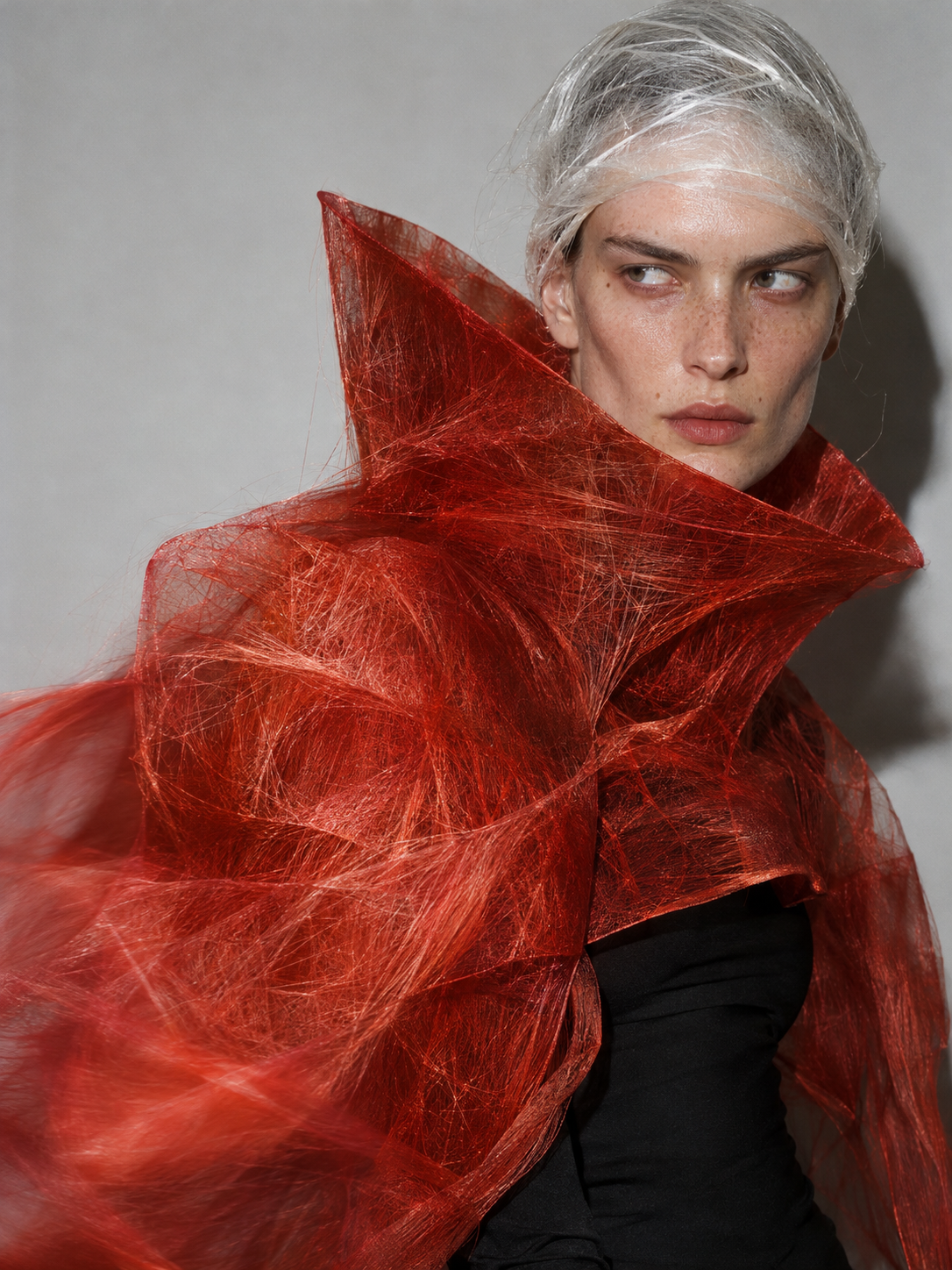
Our research starts where the walls end. Between branches, over water, against the skin. We stretch Nacre silk into unfamiliar shapes and watch how it behaves. A red collar holds its volume. A fine membrane catches the light. Each experiment asks the same question: how little material can a useful form need?

Experimental silk workwear
Living silk structure
Recovered silk archive
Circular fieldwork
Botanical field specimen
Radial silk study
Raw silk on branch
Airborne blue membrane
Botanical imprint

SMALL THREAD. RADICAL POSSIBILITIES.

VEYL Journal / Living by design

Field edition 03 — Beyond the laboratory

Studies in silk / 2026

GROWN / GATHERED / REIMAGINED

LEARNING FROM LEAVES

The blueprint

Veins carry. Fibres connect.

The translation

A branching line becomes a seam.

The invitation

Touch gently. Look a little closer.

MADE TO MOVE

A collar that stands. A veil that breathes. Soft structures that move with us, carrying a little of the outside into everyday life.

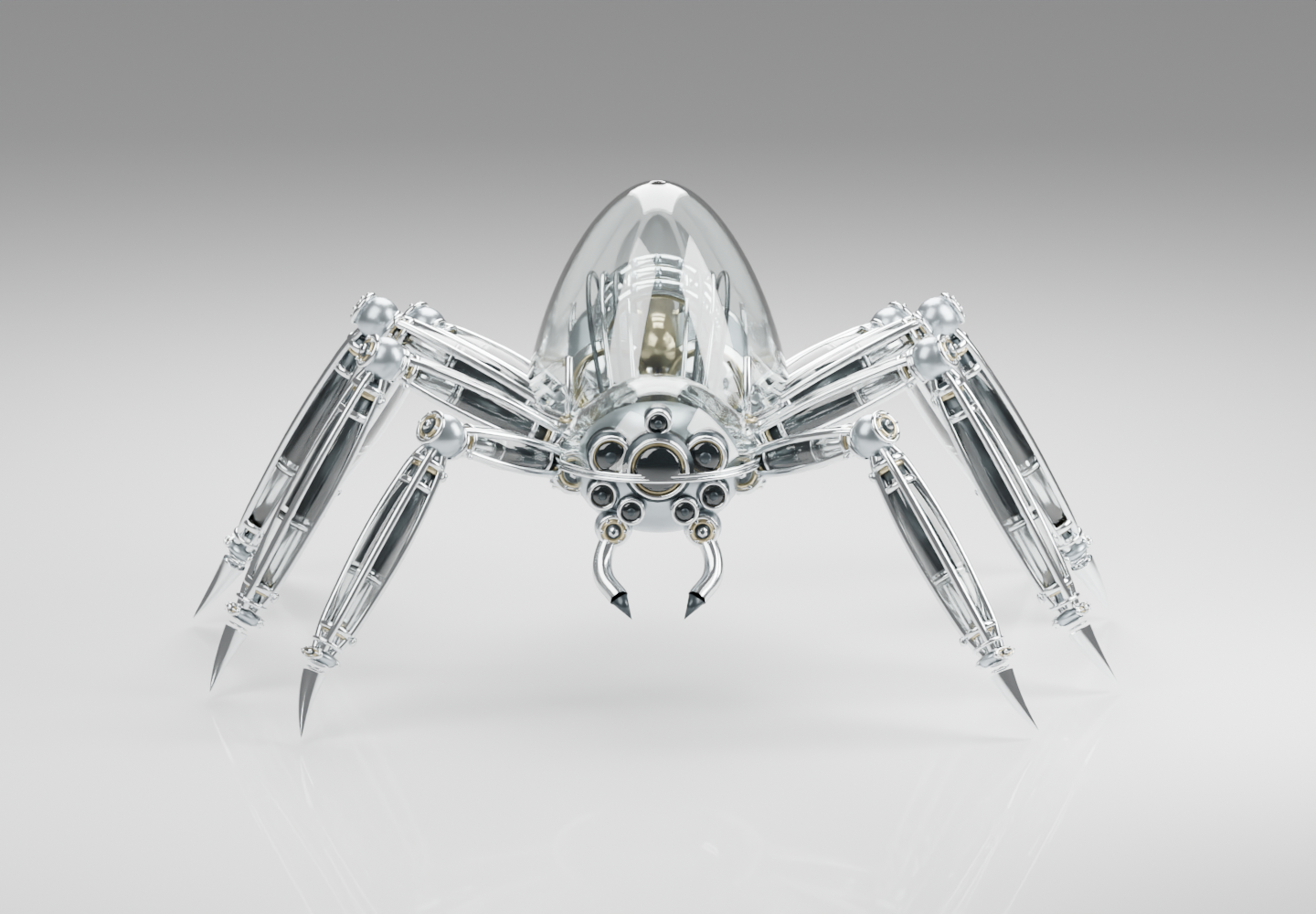
Glass and titanium eight-legged NACRE robotic spider
NACRE / 001 ASSEMBLING

INSTINCT,
ENGINEERED.

NACRE / 001 brings silk-making into a new body. Our first robotic spider turns a natural instinct into a programmable process.

EVERY THREAD,
DEFINED.

CONTROLLED WEAVING sets tension, density and path. A robotic system designed to repeat each structure with greater consistency.

THE FIRST
OF ITS KIND.

MODEL 001 is built to evolve. A modular body, replaceable parts and programmable movement extend what a living spinner can do.

INSTINCT TAKES FORM.

CORRESPONDENCE / RESEARCH OFFICE

PROJECT:
The next thread.
LABORATORY:
VEYL / NACRE
STATUS:
Open for conversation
CHANNELS:
02

Every new form begins with a conversation.

MATERIAL ENQUIRIES / COLLABORATIONS / PRESS

NACRE PROGRAMME
EST. 2001 / CONTACT FILE 006

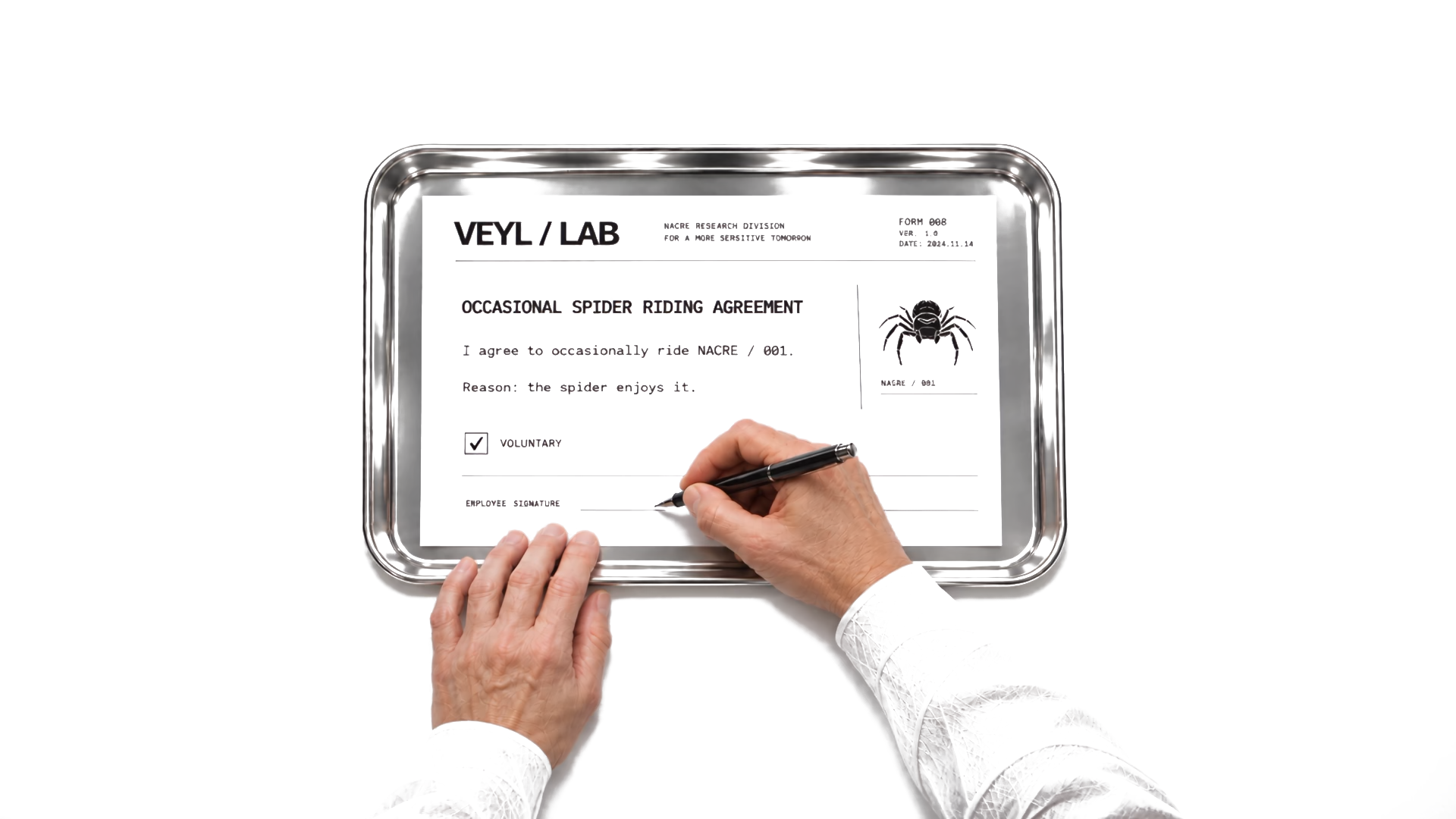
A hand signs the VEYL / LAB agreement before the scene turns into a silk-lined burrow
COLLECTION / OBSERVATION / RECOVERYMATERIAL ARCHIVE / EST. 20012026